
Shelf Is Media: Treating Retail Like a Channel, Not Just a Destination

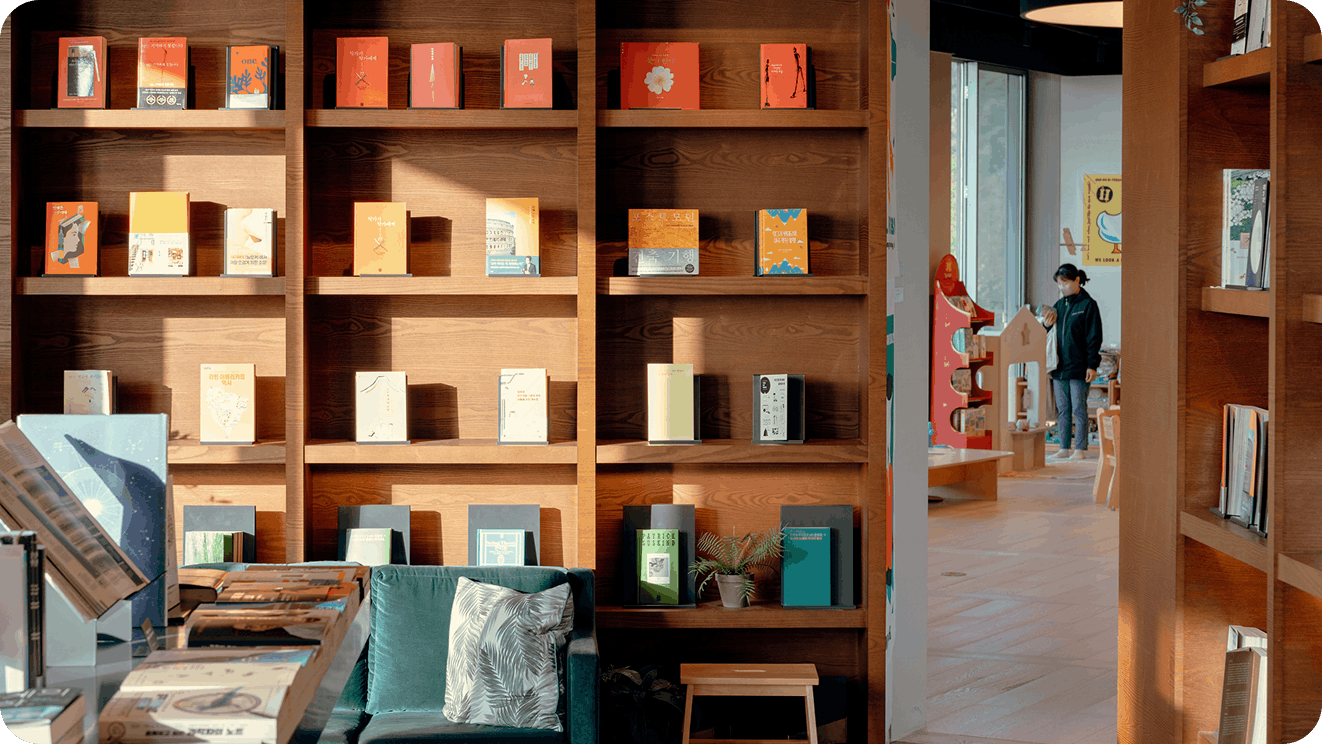
Walk into any well-designed retail environment and you'll notice something: the experience is doing work. The way products are arranged, the fixtures that hold them, the signage nearby, the colors on the packaging — all of it is communicating something before a single conversation happens. Whether the brand intended it or not, retail is media. The question is whether the brand is using it deliberately or just letting it happen.
For most brands, the honest answer is somewhere in the middle. Significant attention goes into the packaging (usually), some goes into end-cap displays (sometimes), and the broader retail environment is largely something that happens around the product rather than something the brand actively designs. Trade marketing and brand marketing operate in separate lanes, with separate briefs, separate agencies and often separate objectives. The result is a brand presence in retail that's functional but rarely coherent, and almost never aligned with what the rest of the marketing plan is trying to do.
The brands that understand retail as media treat every square inch of the store as an opportunity to do the same work their digital campaigns are doing: building awareness, reinforcing positioning, driving trial and creating the kind of impression that converts a casual browser into an actual buyer.
Why Shelf Is Media, Not Just Merchandise
How Packaging, Placement and Signage Act Like Ads
The mechanism isn't complicated. When a shopper's eye moves across a shelf, they're experiencing something functionally similar to a scroll through a social feed: a stream of visual information they're parsing quickly, looking for something worth stopping on. A brand that shows up with strong visual identity, clear hierarchy and a message that's legible at a glance is doing the work of a well-designed ad. A brand that shows up with inconsistent packaging, muddy shelf placement and no supporting signage is functionally invisible.
Placement matters in the same way that targeting matters in digital. Eye-level placement on a high-traffic shelf is the equivalent of premium media inventory; it's where the most impressions happen, which is why brands pay significantly for it and why retailers use it as a negotiating lever. End-caps are interruptions in the same way that display advertising is: they catch attention outside of the expected context, which makes them valuable for trial and product launches. Secondary placements in unexpected aisles (think a hydration powder in the sports section, the pharmacy aisle and the vitamin display) are the retail equivalent of multi-channel presence.
None of this means packaging and placement alone are sufficient, but it does mean that every retail touchpoint is making an impression on a shopper who has a real purchase decision in front of them. This makes the retail environment more valuable, more proximate to the sale and more worth intentional design than most brands treat it.
The Role of Retail Environments in Brand Discovery and Recall
Physical retail still drives a meaningful portion of product discovery in categories where the tactile experience matters — food and beverage, beauty, personal care, household goods, gifts and specialty products of all kinds. A shopper who had never heard of a brand can discover it on a shelf, read the packaging, pick it up and make a purchase in a single visit. That's a discovery-to-conversion path that most digital channels can't compress to the same degree.
Recall works differently in physical environments, too. The memory of physically handling a product, noticing its weight, reading copy on the back panel and seeing it in a specific retail context is more durable than most digital ad exposures. Brands that design their in-store presence to be consistently distinctive through color, typography, packaging shape or fixture design build recognition that follows shoppers back to digital environments and makes subsequent online impressions more effective.
The Risks of Treating Retail Only as a Destination
Missed Storytelling Opportunities on Shelf and In-Store
The version of retail marketing that most brands do is essentially defensive: make sure the product is stocked, make sure the price is right, make sure the packaging is compliant with retailer guidelines. This keeps the product available, which is necessary but not sufficient.
Storytelling in a retail environment doesn't require enormous spend. A shelf talker that explains what makes the product different, a secondary display that connects a hero product to a complementary one with a clear use case, fixture design that creates a cohesive brand moment rather than just a place to stack inventory and copy on the back panel that continues the conversation a customer started on social media or the brand's website. Each of these is an opportunity to do the work that most brands leave undone, and the cost of the missed opportunity compounds over time because the shoppers passing by each week are potential buyers who never got the message.
Inconsistent Messaging Between Digital and Physical Touchpoints
The more common and more expensive problem is the disconnect between what a brand says in its digital marketing and what a shopper actually encounters at retail. A campaign running on social media introduces a product with a specific benefit claim and a distinctive visual tone. The shopper who sees that campaign and then encounters the product on a shelf finds packaging from two years ago, no supporting signage and a placement that doesn't connect to anything they remember from the ad.
This isn't hypothetical, it's the default state for most brands that run active digital marketing without coordinating their in-store presence alongside it. The digital investment is creating demand that retail should be capturing, but retail isn't equipped to close the loop because nobody designed it as part of the same plan.
Designing Retail Like a Channel in Your Marketing Mix
Align Shelf, Store Fixtures and Displays With Campaign Strategy
The practical implication of treating retail as media is that in-store work needs to be planned at the same time as the digital and experiential campaign it's supposed to reinforce, not after the campaign brief is locked and the creative is already in production.
This means including retail touchpoints in the brief from the beginning. When a campaign is built around a specific benefit, benefit-forward shelf talkers and secondary displays reinforce that message for the shopper who's at the literal moment of purchase. When a campaign is tied to a seasonal moment, in-store materials that reflect the same visual language extend the campaign into the environment where purchase decisions actually happen.
The brands that do this well don't have separate trade marketing and brand marketing calendars, they have one plan that accounts for all the touchpoints the consumer encounters (in the right sequence).
Plan In-Store Moments Alongside Digital and Experiential Work
Campaign launches are the most obvious opportunity for integration, but the principle applies year-round. New product launches need in-store presence from day one, coordinated with the digital announcement. Brand rebrands need retail to reflect the new identity at the same time, not six months later when old packaging has cleared through. Seasonal promotions need in-store materials that match what's running online, so the shopper who's seen the brand's social content recognizes the product they're standing in front of.
The experiential dimension matters, too. Brands investing in pop-ups, sampling events and retail activations are already thinking about the physical environment as a brand moment. Extending that thinking to the permanent shelf environment (applying the same intentionality to how the product lives in a retailer week over week) is the logical extension of work many brands are already doing in more visible contexts.
What Great Retail Marketing Agencies Actually Do for Brands
Turn Shopper Insights Into In-Store Concepts and Journeys
The best retail marketing agencies don't start with fixture design or display concepts, but start with how specific shoppers move through specific retail environments and what decisions they're making at each point in that journey.
- Where does the category shopper typically enter the aisle?
- At what point do they slow down and engage versus scan and move on?
- Which product is in the basket already, and what does that say about the adjacent purchase they might make?
These insights shape in-store concepts that are designed around how shoppers behave rather than how brands assume they behave. The display that's positioned to intercept the shopper at the point of slowdown is more effective than the display positioned at the obvious location. Messaging that speaks to the tension a shopper is already feeling, like "not sure which to choose?", does more work than messaging that announces a feature nobody was asking about.
Coordinate With Packaging, Trade and Brand Teams to Keep the Story Cohesive
The coordination challenge in retail marketing is real and worth naming. The brand team owns the positioning, the trade team manages the retailer relationship, the packaging agency owns the structural design and the retail marketing agency owns the fixtures and displays. These are often separate relationships with separate briefs, which means they frequently produce elements that don't quite work together in the actual store environment.
The retail marketing agencies that add the most value understand this coordination problem and help solve it. They brief themselves on the brand guidelines and the campaign strategy. They check that the fixture design works with the packaging rather than competing with it. They flag when a trade negotiation is about to result in a placement that contradicts the campaign strategy. Being useful at the intersection of these disciplines is where retail marketing agencies genuinely differentiate.
Briefing Retail Marketing Partners When Shelf Is Media
Include Channel Goals (Awareness, Trial, Cross-Sell) in the Brief
The brief for a retail marketing agency working in a "shelf is media" model should look more like a media brief than a trade marketing brief. That means defining what the in-store work is supposed to accomplish, not just what it should look like.
Awareness goals suggest different in-store approaches than trial goals, which suggest different approaches than cross-sell goals. A brand that's new to a retailer needs to solve for discovery making the product visible and legible to shoppers who have no prior relationship with it. A brand that's established in a category and trying to drive trial of a new product needs to intercept its existing buyers and give them a reason to add to the basket. A brand trying to cross-sell across a portfolio needs to connect products that are currently shelved in different parts of the store through coordinated messaging and secondary placements. None of this happens if the brief just says "design an end-cap display."
Share Campaign Calendars and Digital Plans So In-Store Work Can Echo Them
The most actionable thing a brand can give a retail marketing agency is visibility into the digital campaign calendar and creative strategy, ideally before retail briefs are written. When the agency knows what campaign is running when, what the key visual codes are, what benefit claims are being emphasized and what the shopper encounter with the brand looks like before they walk into the store, they can design in-store materials that extend the campaign rather than exist in isolation from it.
This isn't a significant operational burden. It's a shared calendar and a creative brief, treated as a live document that the retail agency has access to. The payoff is in-store work that feels like part of the same brand story the shopper has been encountering everywhere else, which is the entire point of treating retail as a channel rather than just a destination.
How Breef Helps Brands Treat Retail as a True Channel
Finding retail marketing agencies who think about the shelf as media (who combine shopper insight, campaign integration and production expertise) requires a selection process that surfaces how they think, not just what they've built.
Breef connects brands with vetted retail marketing agencies who bring genuine strategic capability alongside the execution skills. Whether you need a partner who can develop an integrated in-store campaign concept, an agency that specializes in fixture and display design that works within retailer constraints, or a team that can manage the coordination between brand, trade and packaging teams, Breef matches you with agencies who understand retail as a channel in the full sense of the word.
Ready to find retail marketing partners who think like marketers, not just merchandisers? Book a demo call with Breef and find agencies who know how to make the shelf do serious work for your brand.


.avif)


