AI is Everywhere, and Audiences Are Watching
It's January, which means your inbox is full of AI predictions and webinar invites, your team is under pressure to 'move faster' and someone in leadership just asked if ChatGPT can come up with your Q2 campaign concept.
AI is everywhere, audiences are skeptical and the gap between brands using it well and brands using it poorly is getting wider.
In this edition, we're taking a look at how AI shapes customer engagement: what's working, what's backfiring and what marketers should keep in mind as the pressure to adopt new tools intensifies.
According to a 2025 McKinsey report, 92% of businesses plan to use / invest in AI tools over the next three years. That momentum makes one thing clear: AI is here to stay, and how it’s used matters more than ever.
Audience are highly sensitive to authenticity. Content isn’t just consumed; it’s studied, discussed, scrutinized. When something feels generic, over-automated or hollow, engagement drops fast. The backlash against Coca-Cola’s AI-generated Christmas ad is a recent reminder that when AI is used to replace human emotion, audiences immediately notice. In moments that rely on nostalgia, warmth or cultural meaning, AI-driven creative can feel off, pulling people away instead of drawing them in.
Where AI does support stronger customer engagement is behind the scenes. It helps teams understand intent sooner, personalize experiences more effectively and respond in real time. Used thoughtfully, AI removes friction from workflows and frees up human energy to focus on what audiences actually respond to: relevance, taste, timing and empathy. The brands doing this well aren’t using AI to produce more content — they’re using it to make smarter decisions about when and how to show up.
Takeaway: The most effective marketers are using AI to enhance personalization without sacrificing authenticity. Connection isn’t about being louder or faster, it’s about being more intentional. AI can help get you there, but only when guided by clear judgment and creative restraint.
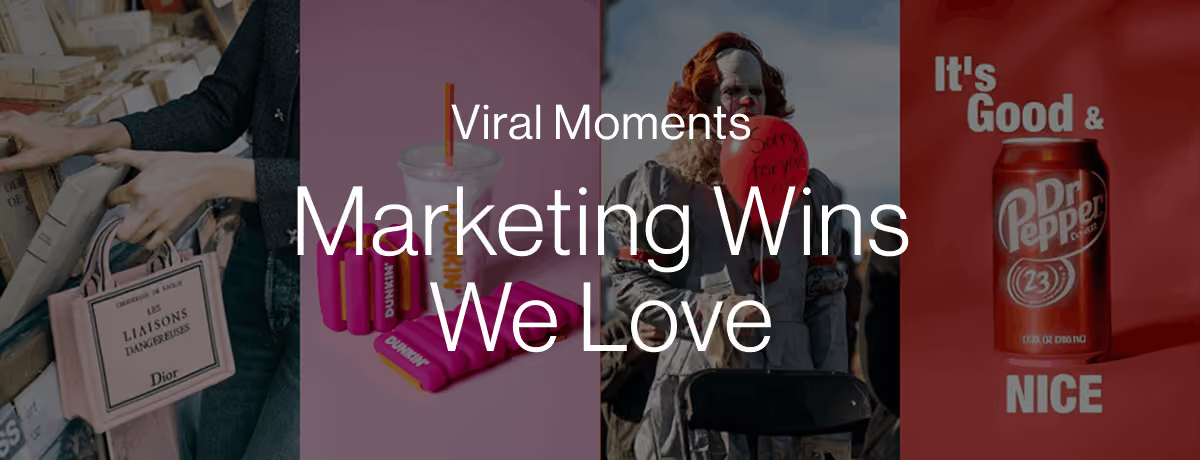
Here are a few of the campaigns catching our eye — and what they mean for where marketing is heading.
🥤 Dr. Pepper | It’s Good and Nice Jingle
When TikTok creator @romeosshow's proposed a new jingle for Dr. Pepper last month, it went viral. Most brands would have liked the post and moved on, but Dr. Pepper didn’t. In a masterclass of speed and social listening, the brand quickly turned the fan-made jingle into a full TV spot that aired during the College Football Playoff National Championship on January 19, less than a month after the original video was posted, proving even legacy brands can move quickly, listen closely and execute on ideas that their audience already loves.
🍩 Dunkin’ | “Dunk N’ Pump” Protein Milk Campaign
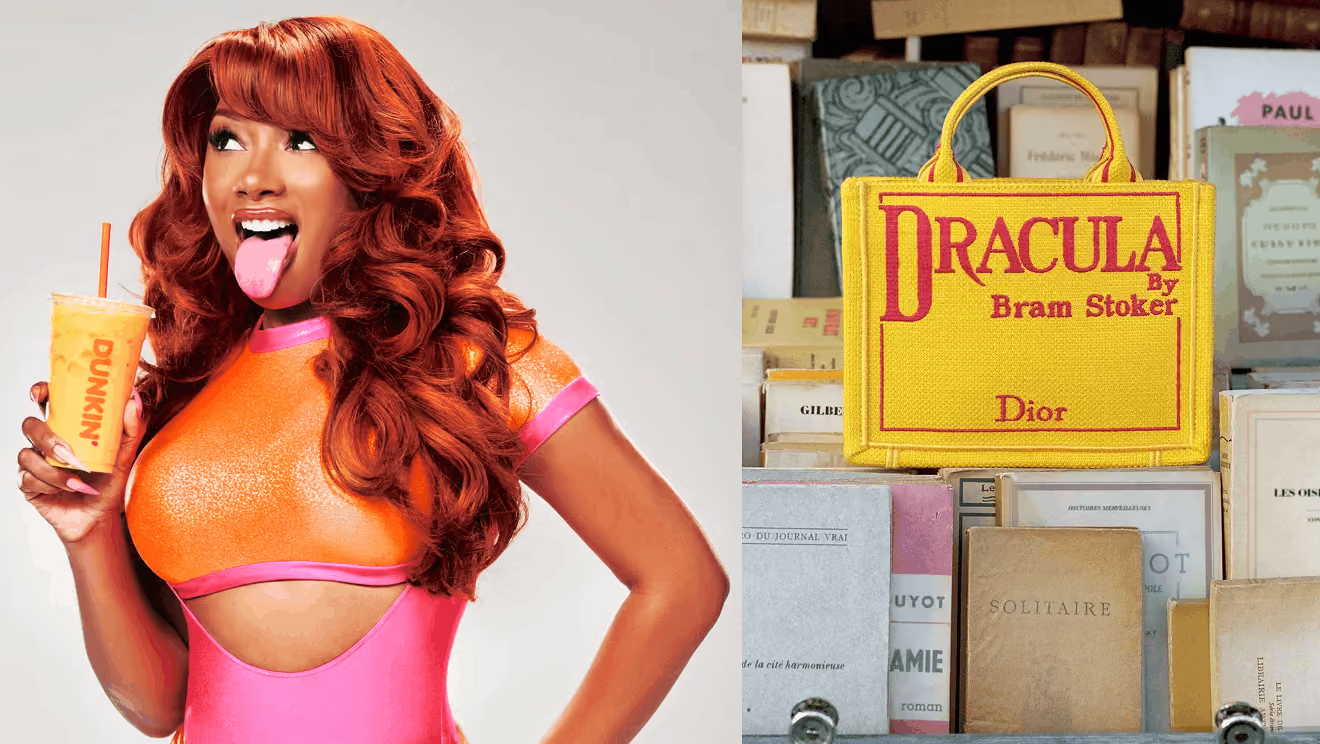
Dunkin’ kicked off the year with a fitness-themed campaign for its new Protein Milk menu, starring Megan Thee Stallion as “ProTina” in a retro workout spot that taps into classic New Year, New Me energy. On its own, Dunkin’ isn’t a brand people naturally associate with fitness, which is exactly why the execution mattered. By extending the campaign through partnerships with buzzy fitness brands like Bala and Solidcore, Dunkin’ created an authentic bridge between its product and consumers’ routines.
👜 Dior | An Homage to the Joy of Reading
Recently, trends like BookTok have contributed to a renewed interest in reading. Dior took to the iconic Paris book stalls lining the Seine to unveil their new Book Cover Totes, featuring classic titles like Dracula, Ulysses and Bonjour Tristesse. The brand included figures deeply connected to literature, including Denis Westhoff (son of Bonjour Tristesse author Françoise Sagan), popular book reviewer Travawyn Taylor and author Nine d’Urso. By grounding a launch in a literary revival, Dior created a moment that positioned their product as part of a wider appreciation for reading rather than the center of attention.
💸 Ramp | Rest in Pence
To mark the U.S. government officially ending penny production, financial services brand Ramp staged a mock funeral at the Washington Memorial, complete with a real coffin, eulogy, an Abe Lincoln impersonator and an open invite on Partiful. The event drew hundreds of attendees, turning a missable headline into a highly shareable, public experience. By thinking beyond traditional campaign formats, inviting people to participate and jumping on a moment that naturally aligned with the brand, Ramp showed how relevance and creativity can drive outsized attention.

📄 The Creator Economy Shift: What Marketers Need to Know For 2026 (Because of Marketing): How the creator economy is shifting beyond follower counts, and what brands should prioritize as creators evolve into long-term partners, media channels and growth drivers.
🎧 The Internet May Look Different After You Listen to This (NYT The Opinions): A thoughtful conversation on the wider impacts of AI, and what marketers should consider as these tools become a more common part of everyday work.
📄 Marketing In 2026: Blending Tech, Trust And The Human Touch (Forbes): Why the future of marketing depends on balancing emerging technology with trust, empathy and human insight.
📄 The Legibility Economy (The Sociology of Business, paywalled): How clarity, familiarity and ease of interpretation influence consumer trust, brand perception and decision-making.
📄 The Graphic Trends You’ll Want to Bookmark for 2026 (It’s Nice That): A visually driven roundup of graphic design trends to watch in 2026, with inspiration for marketers looking to stay current.
Final Thoughts
If 2025 taught us anything, it’s that AI isn’t optional and audiences are paying close attention to how it’s used.
When AI replaces storytelling or emotional nuance, audiences disengage. When it supports timing, personalization and relevance, it strengthens connection. The brands that win in 2026 won’t be the ones using AI the most — they’ll be the ones using it as support for better decisions, not a substitute for taste.
That wraps this issue of the debreef. Keep an eye on your inbox for the next edition. In the meantime, browse more on our blog: The Breefing Room