Making a Case for Hyper-Local Marketing
Welcome back, and Happy New Year!
If you're like most marketers, you have big goals for 2026: scale smarter, engage deeper, cut through the noise. But while everyone's chasing personalization at scale, some of the brands that are actually winning are doing the opposite: they're going smaller.
As we kick off a new year, we're unpacking hyper-local marketing. Why are national brands betting on neighborhoods? What does this signal for the year ahead?
If there's one marketing resolution worth keeping in 2026, it's this: stop trying to be everywhere. Just show up where it matters.

Hyper-local marketing works because it solves a real problem: broad targeting is expensive, inaccurate and impersonal.
Instead of casting a wide net and hoping to catch the right customer, local marketing flips the approach. Brands use geo-specific data, community partnerships and neighborhood-level insights to create content and campaigns that feel less like ads and more like they were made for you.
If you're thinking, "We don't have stores, so this doesn't apply to us," you're missing the point. Hyper-local isn't about physical locations. It's about being thoughtful.
Brands across categories that you wouldn’t expect are tapping into local marketing. For example:
- Rhode: Their highly anticipated pop-ups draw major lines across metropolitan hubs, creating demand for the product, awareness for the brand and FOMO among consumers.
- Airbnb: Leverages local experiences and hosts to make personalized recommendations, connecting travelers to neighborhoods in a meaningful way.
Local marketing is engaging and effective because it cuts through the noise and sameness of most digital marketing tactics. When consumers feel heard, they respond.
The result? Higher engagement, better conversion rates and authentic loyalty — not just more Instagram followers.
Takeaway: Even if you don’t have a storefront, your customers still live somewhere. They have regional pain points and neighborhood-specific behaviors. Local marketing is intentional, personal and effective. Your customers recognize this and will reward you for it.
Here are a few of the marketing moves, campaigns and ideas shaping the space right now — and what they signal as 2026 ramps up.
🍕 Pizza Hut | Tom Brady Commercial & Football Season Campaign
Pizza Hut launched a campaign where Tom Brady becomes a delivery driver so he can keep saying "hut." The real genius isn’t the celebrity endorsement, it’s the contest: the first QB to say "Pizza" before "Hut" on live TV wins a free pizza party for their city (hello local marketing 👋). It's genuinely fun marketing that turns every football game into a potential viral moment without forcing it.
☕ Joe and the Juice | Jay Shetty Collab
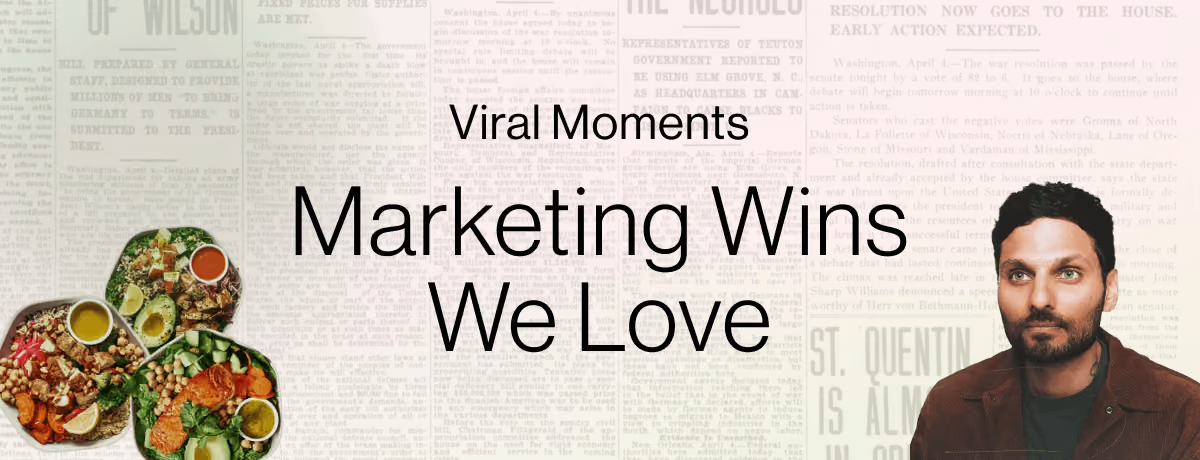
Joe and the Juice just launched a collab with Jay Shetty that’s as authentic as can be. Both the brand and Jay underscore health and wellness, and it’s perfectly timed for the start of the new year (put your hand up if you’re on the “new year, new me” train…). We have no doubt this partnership will crush it — and it’s proof that when brands lead with what people actually care about, the message sticks.
📦 Emi Jay | Blind Box Launch
Emi Jay's blind box campaign sold out in one minute 🤯. Inspired by the blind box model popularized by trending Asian brands like Sonny Angels and Labubu, Emi Jay tapped into the thrill of surprise in the form of a lo-fi Instagram launch that drove sales through the roof. Once the 'unboxing' videos inevitably flood our feeds, we're confident that we'll see loyal customers fuel the next drop. Every "look what I got!" post becomes free marketing and every sold-out moment builds more demand. That's how you turn one launch into a self-sustaining hype cycle.
🥗 Sweetgreen | Function & Dr. Mark Hyman Partnership
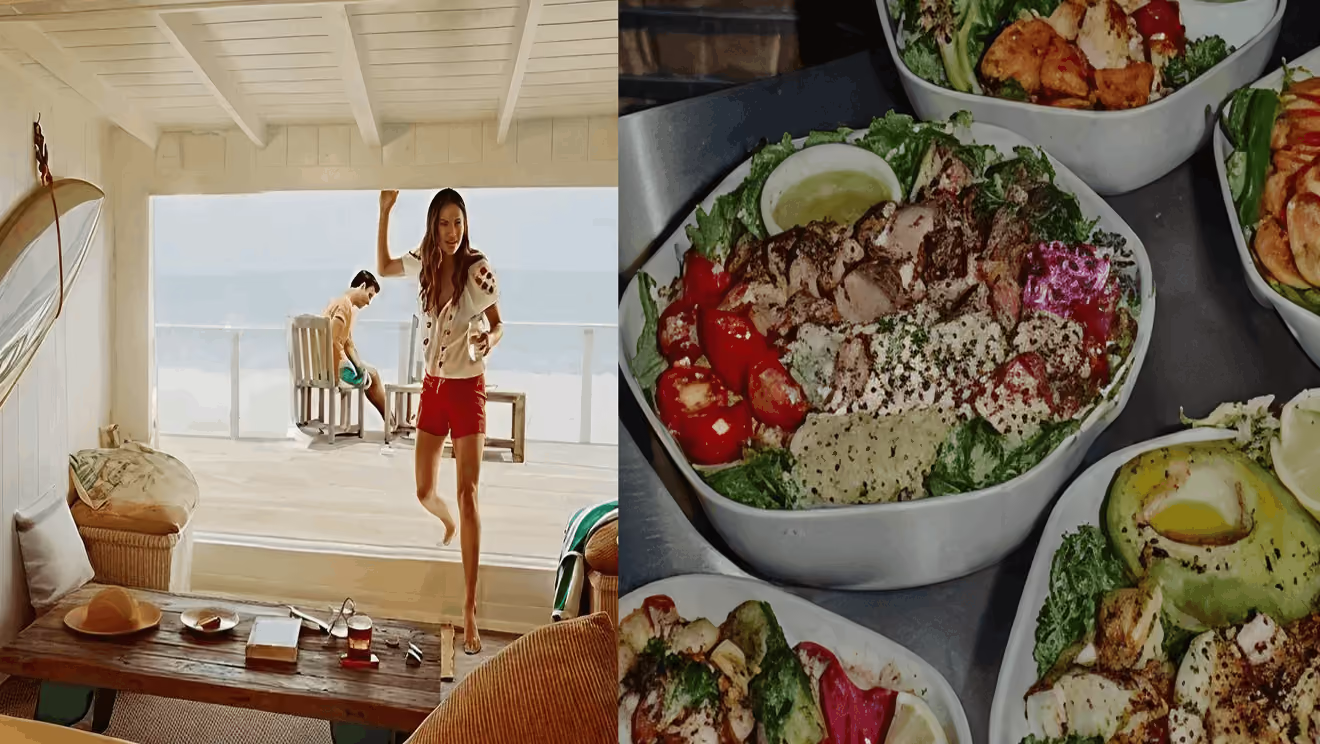
’Tis the season of healthy food partnerships (well, and Pizza Hut)! Sweetgreen partnered with functional medicine company Function (founded by Dr. Mark Hyman) to launch science-backed menu items with built-in ingredient education and macro tracking. It's perfectly timed for New Year’s resolutions, but they're not just capitalizing on "health and wellness for the new year" — they're turning salad ordering into a data-driven health ritual and building credibility around it. When everyone on your FYP seems to be a health influencer, brands like Sweetgreen reinforce the difference between virality and validity.

🎧 How Dr. Barbara Sturm Built a Billion Dollar Beauty Brand with Zero Training (Aspire with Emma Grede): A fascinating discussion between Emma Grede and Dr. Barbara Sturm about Sturm’s unconventional path to success and the importance of authenticity.
🎧 Our Year of Brainrot and Tech Dystopia (ICYMI): A reflective episode that examines significant shifts in culture and technology over the past year.
📄 The Legibility Economy (The Sociology of Business): An analytical piece discussing how clarity and ease of understanding in branding and communication influence consumer behavior in today's marketplace.
📄 Breef Agency Spotlight - CROING: Anggie Salazar, Head of Marketing at CROING Creative Agency, discusses the importance of taking demographic data with a grain of salt. Instead, she emphasizes marketing strategies that are specifically catered to the needs, preferences and values of communities and micro-audiences.
📄 I Invented the Dyson Cordless Stick Vacuum (The Strategist): An insightful interview with Sir James Dyson exploring the innovative journey behind the creation of the Dyson cordless stick vacuum and the challenges faced along the way.
Final Thoughts
One-size-fits-all marketing rarely cuts it. Consumers crave authenticity and relevance, whether that’s through hyper-local strategies or partnerships that align with their values.
We’re only a few days into 2026, but the thread connecting standout campaigns so far is this: brands are going smaller to win bigger. Pizza Hut is turning individual quarterbacks into brand activators. Emi Jay prioritized scarcity over scale to drive consumer excitement.
Your customers don’t need to see you everywhere. They need to see you where it matters: in their neighborhood, in their feed at the right time or partnering with someone they trust.
And of course, if you need an agency to lead the way in 2026, you know where to find us. 😉
That wraps this issue of the debreef. Keep an eye on your inbox for the next edition. In the meantime, browse more on our blog: The Breefing Room