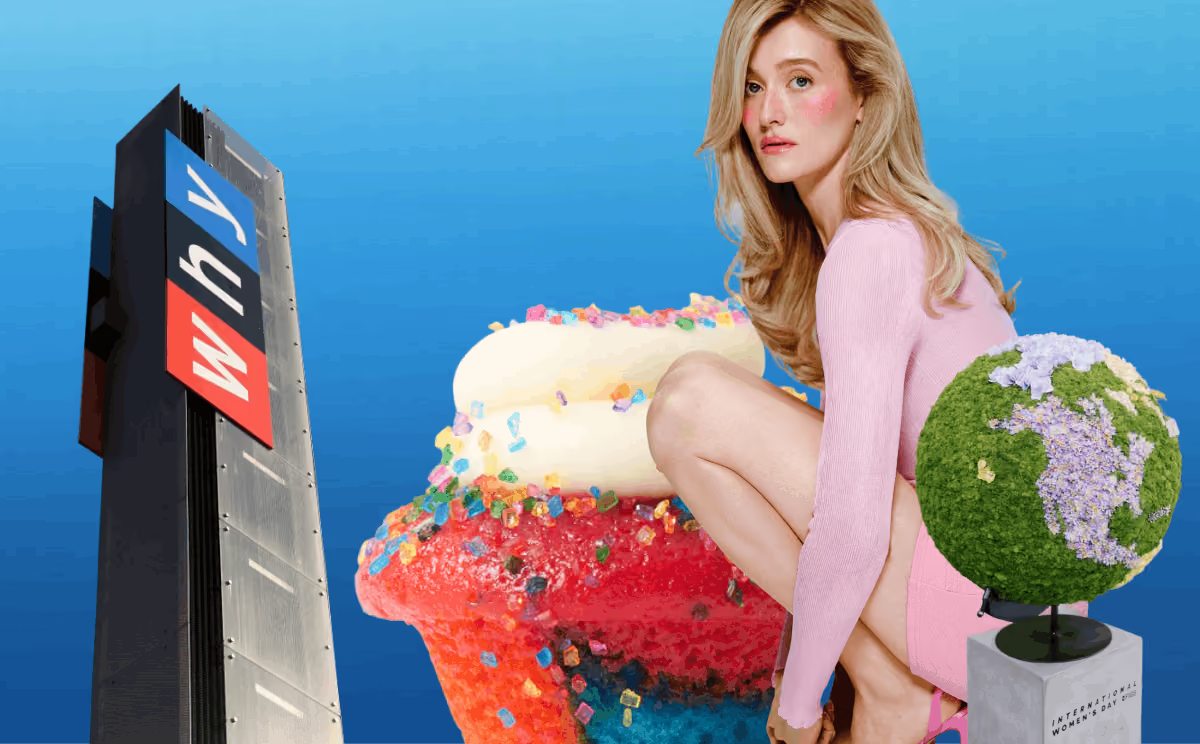
The Marketing of Mundane Things

Graza made olive oil satisfying. Fishwife turned tinned fish into a collectible. Liquid Death gave water a personality. Louise Carmen made notebooks personal. And Touchland figured out how to romanticize hand sanitizer in the post-COVID era (something we never thought we’d say).
None of these products are new. The real innovation behind these brands isn’t the products, it’s the stories they tell.

The shift is the luxury-ification of everyday life. If we’re going to use something every day, can we at least enjoy it?
Take Diptyque’s spin on insect repellent — a backyard necessity reimagined as a chic item you’d want sitting on the patio table instead of the bright orange eyesore we all know. A showerhead was just a showerhead until Jolie turned the bathroom necessity into a sleek wellness product. And just when you thought laundry detergent wasn’t exciting, DedCool put a fragrance-first spin on it, complete with packaging you actually want to look at. At the end of the day, consumers make the choice, and consumers choose these brands over and over again, potentially to glamorize the overlooked, mundane moments in their day-to-day. Maybe luxury is becoming less about price and more about finding a little excitement in the things we were going to buy anyway.
Oftentimes, the packaging is the marketing. A bottle designed to live on the countertop instead of inside the cabinet gets seen again and again. A box too good to throw away sticks around long after the purchase. When consumers want to display, reuse or even photograph the packaging, it functions more like an ad than a container.
The lesson is simple: your product’s category doesn’t have to dictate how you market it, and the package that it comes in matters. Notable brands are looking beyond what their category has traditionally done and finding new ways to make the familiar item feel fresh. Sometimes, the opportunity isn’t reinventing what you sell; it’s giving people a new reason to care about it. There will always be boring products, but the brands behind them don’t have to be boring too.

✈️ Prime Video | Sterling Point Brand Trip
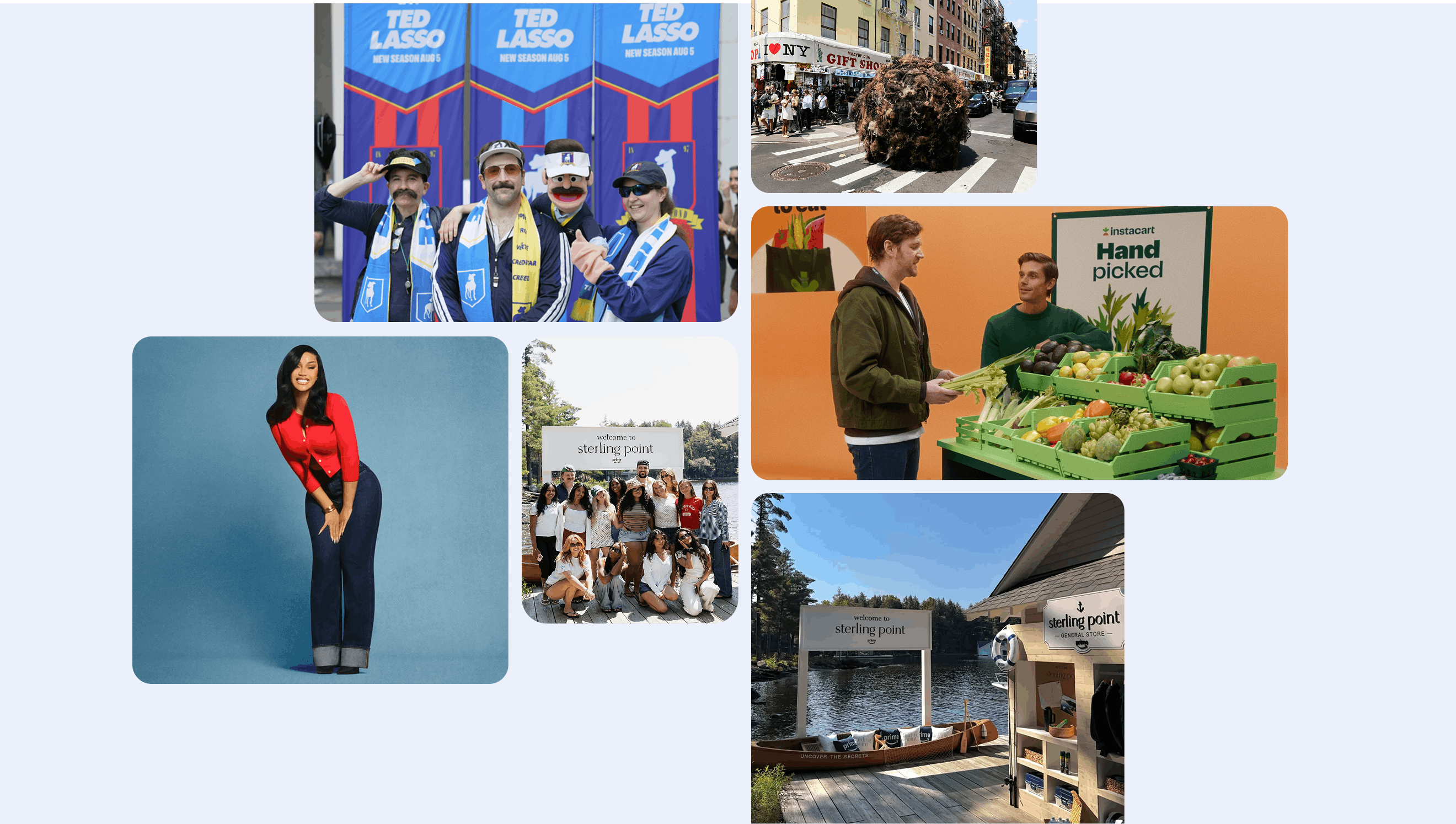
To celebrate the premiere of its new YA drama Sterling Point, Prime Video flew influencers to Muskoka, Ontario, the show's actual filming location, for a lakeside cottage experience complete with custom wardrobe curation, early screenings, and a surprise cast visit. Bringing creators into the actual world of the show rather than just previewing it makes for a far more immersive, and far more shareable, experience.
🛒 Instacart | 5-Star Male Shoppers
Instacart leaned into the "male shopper" meme with a spot starring comedian Hannah Berner and Queer Eye's Antoni Porowski, with Porowski coaching a group of hapless male shoppers through the basics: telling a ripe banana from an unripe one, checking expiration dates, and identifying a leek. The whole thing works because the brand is clearly in on the joke while still making the case that their actual shoppers have over 100 million five-star ratings to back them up.
🏙️ K18 | Tumblehair
To launch its new FutureIQ Hair Longevity Serum, K18 rolled a giant tumbleweed representing 161 million strands of hair through New York City to visualize how much hair the city's residents lose to premature aging and shedding, turning an abstract product benefit into something you could actually see and touch. The stunt anchored a broader pop-up where attendees could get scalp analyses, product demos, and try their luck at a claw machine stocked with K18 prizes.
🧢 Apple TV | Gathering of the Teds
To celebrate the Season 4 premiere of Ted Lasso, Apple transformed their Midtown store into a full day of wholesome chaos — professional Ted lookalikes roaming Central Park handing out free coffee, a "Believe Line" of Teds cheering on runners, and a "Goldfish Zone" where passersby could write down something they wanted to let go of. The day culminated in a lookalike competition at Apple Fifth Avenue judged on costume, optimism, and a 30-second pep talk, with Ted Lasso Easter eggs hidden across display devices in retail stores nationwide.
👖 Old Navy | The Most Wanted
Old Navy cast Cardi B alongside Paloma Elsesser, Wisdom Kaye, Brooks Nader, and Quenlin Blackwell for its fall denim campaign, and the response was immediate — Cardi shared one of the ads to her Instagram and it hit 3 million views in a single day, with commenters declaring she made the brand "sound like a luxury drop." With prices starting at $22, the campaign makes a strong case that affordability and desirability don't have to be at odds.

🎧 The Brand Turnaround Playbook & Other Marketing Tips (Hot Takes Big Stakes Business): Oli Walsh, former Aritzia CMO and founder of Invisible Dynamics, the agency behind Gap's brand refresh and the viral Katseye campaign, on what he learned scaling Aritzia from $250M to $1B in revenue and the real mechanics of pulling off a brand turnaround. A practical, experienced perspective on what modern brand building actually requires at scale.
📄 Polaroid’s Patricia Varella Chats Long-Game Strategies, Imperfection and that Anti-AI Viral Campaign (It’s Nice That): A deeper look at the strategy behind Polaroid's anti-AI campaign (which we featured last issue), with creative director Patricia Varella on what it took to make a bold campaign land twice in a row, why she sees in-house creativity as a marathon rather than a sprint, and how the team ended up paying influencers not to post.
🎧 The Anti-Unicorn Playbook that Beat Fashion’s DTC Boom (The Debrief by Business of Fashion): Business of Fashion revisits the VC-fueled DTC boom of 2016 and asks why so many of fashion's biggest disruptors ultimately fell apart while brands like Dôen, Hill House, and Staud built something more durable. The throughline: strong aesthetic identity, slow and disciplined growth, and communities built on genuine relationships rather than paid acquisition.
📄 The Latest Darlings of Social-Media Marketing? Regular People With 500 Followers (Wall Street Journal): Major brands including Target, American Eagle, and SoulCycle are launching structured programs that compensate everyday creators with as few as 500 followers, signaling a broader shift away from chasing reach toward rewarding authenticity and genuine brand affinity. As algorithms increasingly surface content from accounts you never chose to follow, follower count is becoming less of a prerequisite for influence.
That wraps this issue of the debreef. Keep an eye on your inbox for the next edition. In the meantime, browse more on our blog: The Breefing Room.