When the Founder Becomes the Brand Strategy
Expo West wrapped last week, marking the start of another busy stretch of trade show season, with Sephoria next week and Shoptalk right around the corner. These events are known for product launches and retail partnerships, but they also reveal something else: how closely the founders behind many emerging brands are still tied to the story.
Expo West is a rare moment when thousands of emerging brands and the founders behind them gather in one place. In categories like natural food and wellness, those brands are often born from a personal belief about how the industry should change. For us, Mary Boehmer of MaryRuth Organics comes to mind — a certified B Corp still 97% owned by Mary and her mother, anchored in the founder’s voice and the brand’s true origin story.
That founder-first energy doesn’t disappear when the trade show ends. It shapes how these brands communicate every day, from product storytelling to social media to customer conversations. Larger companies often try to recreate that closeness through community and transparency initiatives, but it rarely lands the same as hearing directly from the founder.
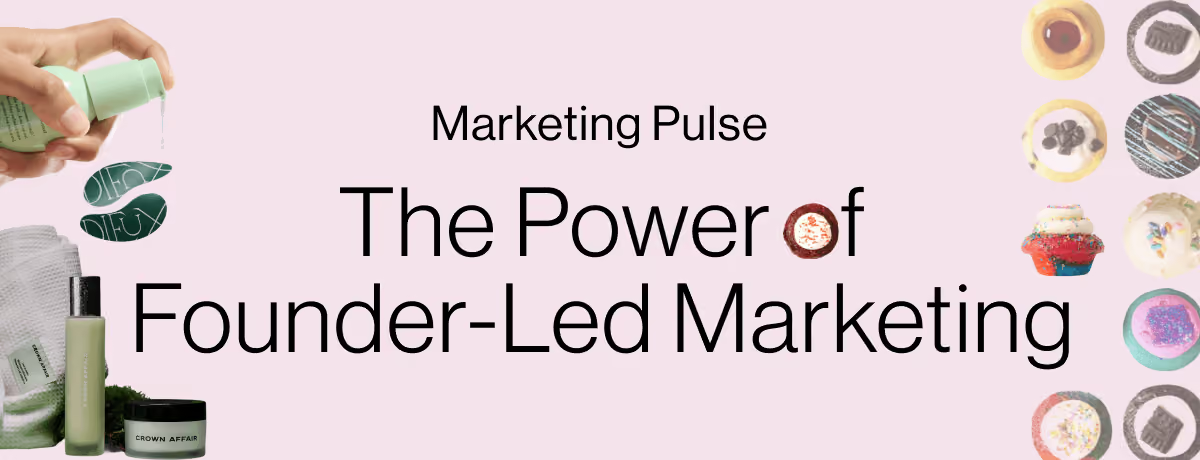
Melissa Ben-Ishay of Baked By Melissa literally *is* her brand. The brand’s social media pages are 90% videos of Melissa just being a normal person: grocery shopping, cooking dinner and talking about her personal life. The brand feels like a direct extension of her personality because it genuinely is. And the topic she talks about the least? Convincing her audience to buy cupcakes.
In beauty, Dieux Skin’s Charlotte Palermino has built trust by demystifying the industry rather than marketing around it. Her videos regularly break down ingredient myths, compare global skincare regulations and explain why certain formulations work the way they do. She also posts unsponsored recommendations for products she genuinely likes, including competitors. It’s an approach that treats the audience like insiders, not just customers, inviting them into how the industry actually works and giving them the knowledge to make the right purchase for themselves.
Crown Affair followed a similar path, with founder Dianna Cohen centering the brand around a personal philosophy of hair care as ritual rather than routine. Knowing how central her presence is to the community she’s built, Cohen recently reshaped her role and stepped back from the CEO position to be even more present online.
Across categories, when founders stay present — whether on social media, in product development or the trade show booth — they build a kind of credibility that traditional marketing efforts struggle to replicate.
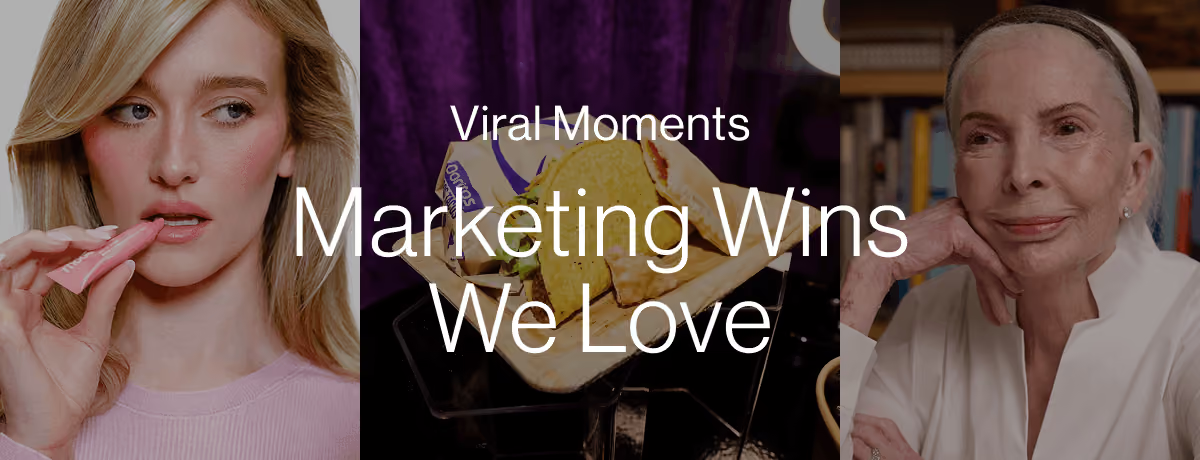
Here are a few of the campaigns catching our eye right now.
💄 Merit Beauty | 89 Year-Old Superfan
For International Women’s Day, Merit spotlighted one of its biggest fans: Deborah, an 89-year-old customer whose granddaughter had emailed the brand months earlier asking if they’d ever consider casting her in a campaign. Instead of sending a product package or leaving it at a reply, the Merit team flew to Deborah’s home in North Carolina to spend the afternoon with her and film the post. The result feels personal rather than performative — a reminder that sometimes the most meaningful brand stories come directly from the people who already love what you make.
🗞️ NPR | Who, How, and Why
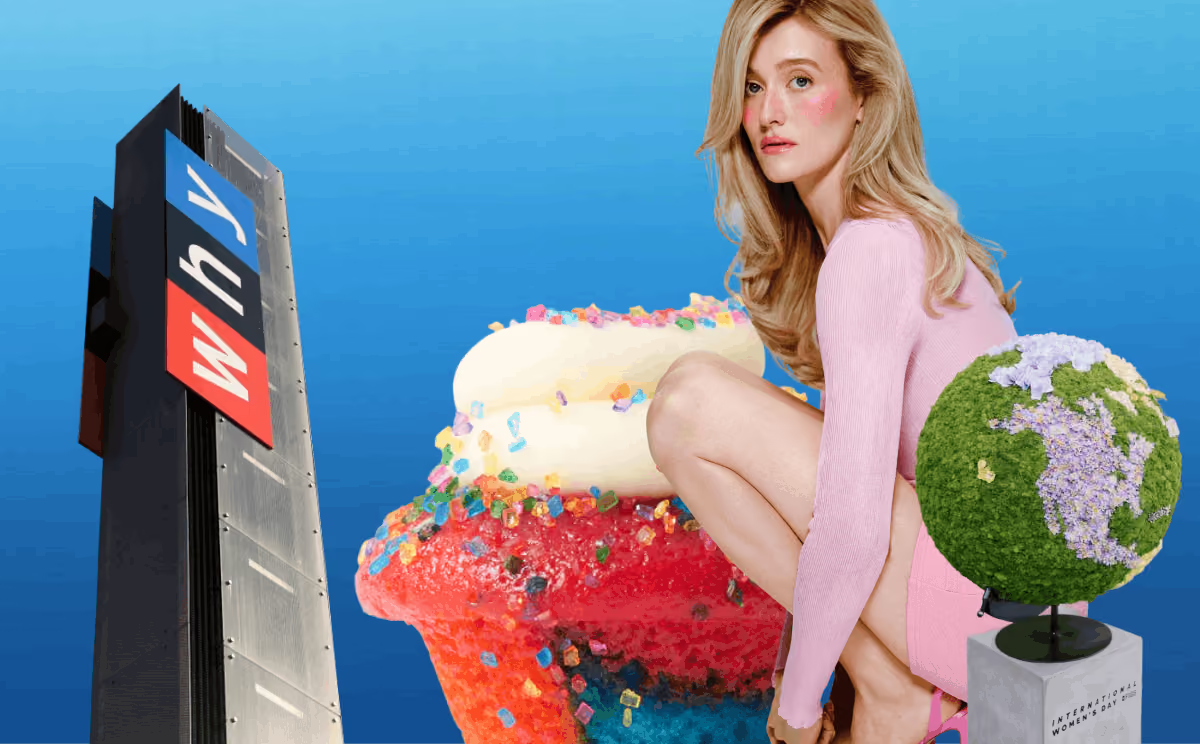
NPR is swapping out its iconic logo with questions — Who, How and Why — as part of a campaign defending curiosity and independent journalism. The simple creative twist reframes the brand’s identity around the questions that drive reporting in the first place. Instead of focusing on the institution, the campaign centers the act of inquiry itself, reinforcing NPR’s mission while keeping the execution clear, memorable and easily shareable.
🌮 Taco Bell | Live Más LIVE
Taco Bell brought back Live Más LIVE, its annual product reveal event, but for the first time streamed the show on Peacock. The format sits somewhere between an Apple-style keynote and an awards show, beginning with a purple carpet featuring celebrity arrivals and interviews with reality stars from Peacock series like The Traitors and Summer House, before moving into the show featuring game show segments and appearances from artists like Benson Boone and Doja Cat and ultimately culminating in unveiling the upcoming menu items. The moment quickly spilled onto social media, like Finneas vlogging the experience after surprising a friend with tickets. By turning a menu reveal into entertainment programming, Taco Bell continues to treat product launches as cultural events rather than internal announcements.
🌸 Rhode | Shades of Spring with Sarah Pidgeon
Rhode tapped rising actress Sarah Pidgeon for a new campaign just as buzz around her series Love Story was building — before the show has even fully aired. The quick turnaround shows how closely the brand tracks emerging cultural moments and moves while attention is still forming. Visually, the content stays true to Rhode’s signature aesthetic of soft lighting, close-up textures and skin-first beauty. By pairing that consistent look with talent who feel newly relevant rather than overexposed, Rhode keeps its campaigns feeling both current and unmistakably on-brand.
🩺 FIGS | Women in Medicine
FIGS leaned into International Women’s Day with a TikTok celebrating women across the medical field. Rather than focusing solely on its apparel, the brand used the moment to spotlight the professionals who wear it every day. By centering real people and shared identity, FIGS reinforces the sense of community that has long been central to its brand — a reminder that purpose-driven storytelling resonates most when the audience sees themselves reflected in it.

📄 What Real Marketers are Building with Claude Code (MKT1): How marketing teams are actually using AI coding tools like Claude Code — from building lightweight internal tools to automating workflows and experimenting with faster ways to ship ideas.
🎧 TikTok After The Legal Fight: Why It’s Coming for Meta’s Ad Dollars: (The Digiday Podcast): A breakdown of how TikTok’s legal battles are reshaping the competitive landscape — and why advertisers may increasingly shift spend away from Meta as the platform doubles down on performance and commerce.
📄 Your Research Practice Is Your Creative Identity (Art Direction): Why the way creatives gather references, collect inspiration and study culture ultimately shapes the voice, perspective and originality of their work.
📄 Micro-influencers Work. But They Aren't a Substitute for Brand Building (The Drum): Mark Ritson argues that while micro-influencers can drive engagement and short-term impact, brands still need long-term investment in distinct positioning and brand-building to sustain growth.
Final Thoughts
Founder-led marketing is a business strategy, not a trend. When the person behind the brand stays visible and genuine, whether that's at a trade show, on TikTok or in the product itself, it creates credibility that scales in ways traditional campaigns can’t compete with. The audience is buying more than a product. They’re buying into a story, and becoming part of it.
You don't have to be a founder to apply this thinking. Any brand that leads with real voices, real stories and real conviction can build that same closeness.
That wraps this issue of the debreef. Keep an eye on your inbox for the next edition. In the meantime, browse more on our blog: The Breefing Room