You Got the First Purchase. What Earns the Second?

Brands put a lot of thought into getting someone to click “purchase”: the creative, the offer, the landing page. But customers keep developing opinions long after they click “place order.” What happens next can determine whether all that effort earns a lasting customer or stops with a one-time purchase.

After checkout, customers start comparing what your marketing promises with what your brand actually delivers. Ease matters here: people want simplicity wherever they can get it. Whether it’s a confirmation email to set expectations, shipping updates to keep them informed or packaged instructions to help them enjoy what they bought, those touchpoints shape the experience they’ll remember when they consider a second purchase.
The disconnect often starts when brands treat checkout as the finish line. Think about a skincare brand that promotes an effortless routine, then leaves customers guessing about which product to use first. Or a clothing brand that promises a premium experience, yet makes returns feel intentionally impossible (we’ve all been there). Sending another promotional email does two things here: it fills your marketing calendar, sure, but it also asks customers to repeat an experience they didn’t enjoy the first time.
To alleviate the potential gap, start by shopping your own brand. Go through checkout, read the confirmation email, track the delivery, evaluate the packaging and reach out to customer support. Look for moments where *you* would appreciate a better experience, even in the tiny details. Then, apply what you learned and improve those gray areas. Getting into your customer’s mind can be as simple as going through the same experience they do.
The ultimate goal is to give customers reasons to choose you again. While a discount might entice someone to come back once, a reliable experience and a product that delivers on its promise builds the trust that keeps them coming back — and gives you a stronger foundation for repeat sales.

🧥 Aritzia | The Giant Super Puff
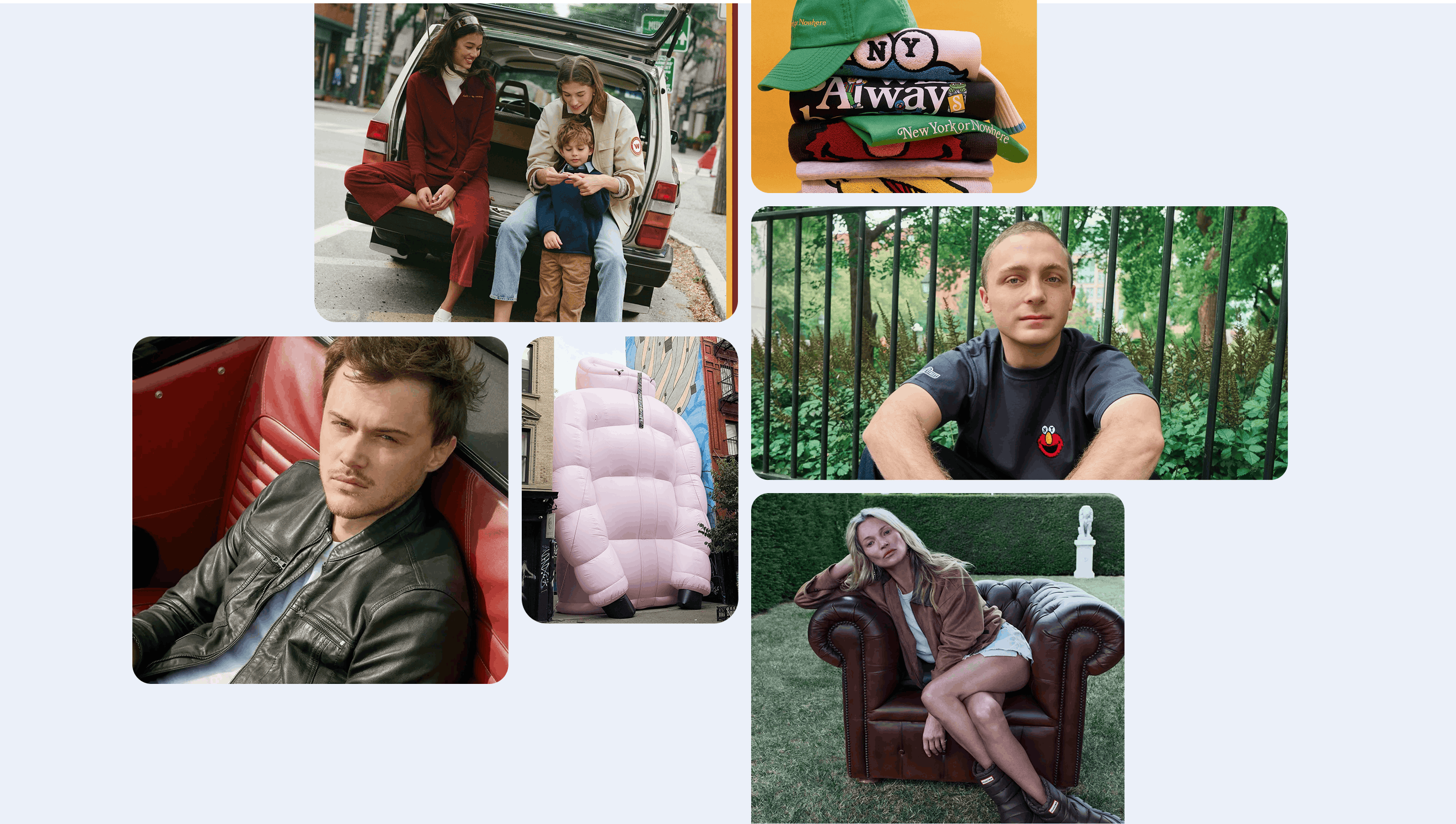
To promote the latest iteration of its iconic Super Puff collection, Aritzia installed a 37-foot inflatable jacket on Ludlow Street in New York City's Lower East Side. Simple, oversized, and impossible to walk past without stopping.
📱 Verizon | Verizon Shine’s Really Got a Hold on Me
Verizon cast Summer I Turned Pretty's Christopher Briney as a brooding heartthrob in a '90s-inspired two-minute spot set to Whitesnake's "Is This Love," building two minutes of slow-motion longing and hair-running before revealing that what he's been waiting for isn't a woman — it's a Verizon Shine drop. For a campaign built around yearning, Briney is the perfect choice and the tongue-in-cheek twist earns the emotional buildup.
🗽 New York or Nowhere | Jake Shane for NYON x Sesame Street
New York or Nowhere teamed up with Sesame Street on a collection for adults and kids, with Jake Shane front and center encountering the iconic characters throughout an otherwise ordinary New York morning. For a brand called New York or Nowhere, leaning into the wonder of seeing the city through a child's eyes is about as on-brand as it gets.
🏈 Tuckernuck x Fanatics | Game Day Dressing Elevated
Tuckernuck's first NFL collection with Fanatics takes traditional fan gear and runs it through the brand's signature polished, feminine aesthetic, resulting in pieces designed to work at a tailgate and a dinner out the same week. As sports continue to move deeper into lifestyle and fashion territory, this is a natural partnership for a brand whose customer has always dressed with intention.
🥾 Hunter | Iconic by Nature starring Kate Moss
To mark its 170th anniversary, Hunter reunited with Kate Moss for a global campaign that feels less like a brand partnership and more like a homecoming. When Moss wore Hunter wellies to Glastonbury in 2005, she almost single-handedly turned a functional boot into a fashion one, making her the most natural ambassador the brand could have chosen 20 years later.

🎧 Fashion’s Latest Obsession: The Grocery Store (The Debrief by Business of Fashion): As fashion brands increasingly partner with gourmet grocers like Erewhon, Happier Grocery, and Meadow Lane to reach consumers in their everyday routines, Business of Fashion's Haley Crawford breaks down what makes these collaborations work and what makes them fall flat.
📄 What 100 Gen Zers are Actually Scrolling (As Seen On): SocialGlass founder Maxine Marcus analyzed the real social feeds of 100 Gen Zers across 46 states to find out what's actually resonating right now. The three themes she surfaced — a shift from hauls to product audits, ambition being redefined around quality of life, and a growing desire to be specifically understood rather than broadly reached — are worth keeping an eye on.
🎧 Peloton: First Profit, the Spotify Deal, and Why the Stock Still Fell (Social Currency): After years of billion-dollar losses, Peloton posted its first profit as a public company this year, and this episode breaks down exactly how they got there, from aggressive cost cuts and price increases to a viral ad campaign and a global Spotify partnership.
📄 Post-Reality Marketing (What’s Anu): An analysis of how eroding consumer trust is forcing brands to choose between two diverging strategies: manufacturing reach through clipping campaigns and AI-generated content, or slowing down to earn trust through analog formats, IRL experiences, and long-form storytelling.
That wraps this issue of the debreef. Keep an eye on your inbox for the next edition. In the meantime, browse more on our blog: The Breefing Room