The Evolution of Visual Marketing: From Advertising Art to Contemporary Brand Storytelling

Visual marketing isn't new (obviously). Brands have been using images to sell products, shape perception and build recognition since long before the internet existed. What's changed is the technology, the platforms and the speed at which visual content reaches audiences.
The evolution from early advertising illustrations to contemporary digital storytelling reflects broader shifts in media, culture and how people consume information.
The core principle still remains the same: humans process visual information faster and remember it longer than text alone.
The brands that understood this early won and the brands that understand it today still win.
The Origins of Visual Marketing in Early Advertising and Print Media
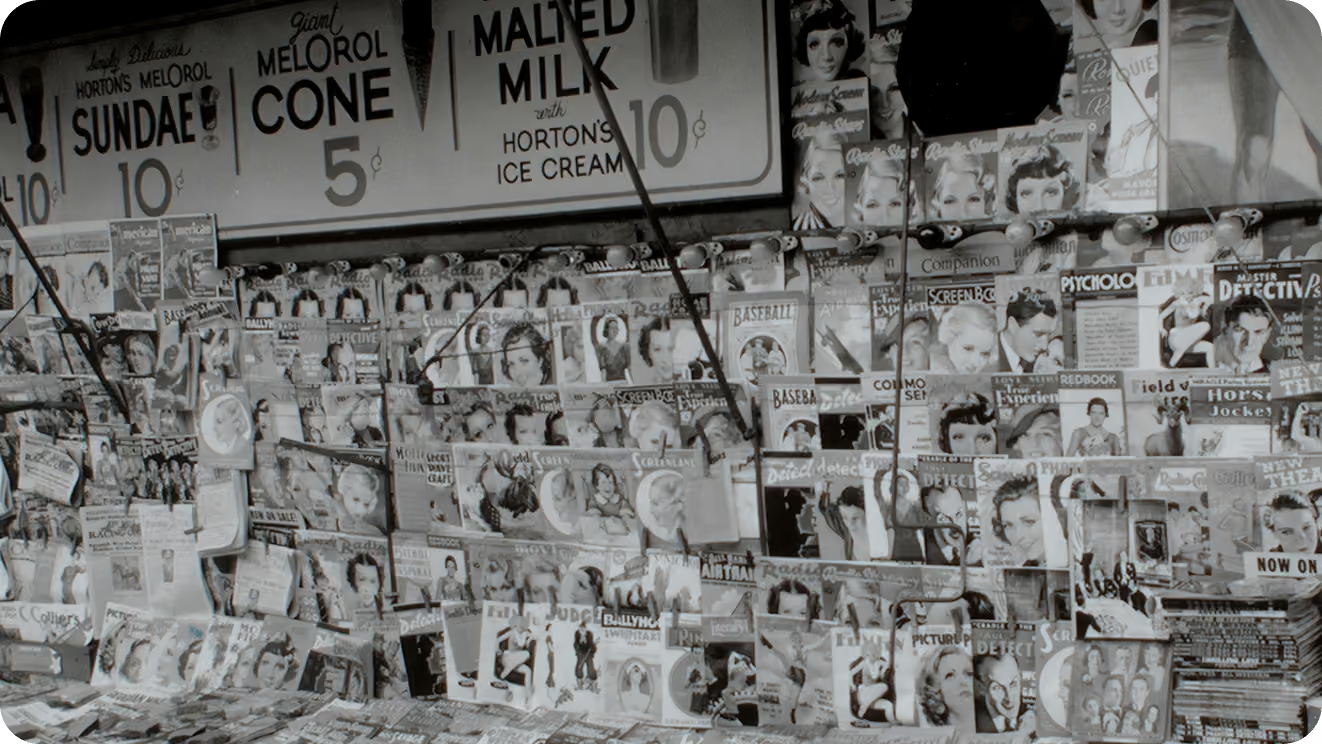
Visual marketing started with print. Before radio, television or the internet, brands relied on newspapers, magazines and posters to reach audiences. The most successful early advertisers understood that illustrations and design mattered as much as the words.
In the late 1800s and early 1900s, hand-drawn illustrations dominated advertising. Artists created detailed images of products, idealized scenes of usage and characters that became brand mascots.
These visuals communicated quality, lifestyle and aspiration in ways that text couldn't match.
Print ads from brands like Coca-Cola, Ford, and Ivory Soap used illustrations to create emotional associations. A Coca-Cola ad showed happy families, refreshing moments and the promise of enjoyment. The visual did the heavy lifting and the copy supported it.
As printing technology improved, photography began replacing illustrations in the mid-20th century. But the strategic use of visuals to shape perception and drive desire was already deeply embedded in advertising practice. Early print marketers established the foundation for everything that came after.
The Rise of Video and Digital Visual Storytelling
Television changed visual marketing completely. Moving images, sound and storytelling converged into the most powerful advertising medium of the 20th century. Brands could show products in action, create emotional narratives and reach millions simultaneously.
The shift from static print to dynamic video forced advertisers to think differently about storytelling. A 30-second TV spot required pacing, narrative structure and visual sequences that print never demanded. Brands invested heavily in production because the return was massive. A well-executed TV commercial could build brand awareness and drive sales at scale.
The internet introduced another shift. Early digital marketing still relied heavily on static banner ads that mimicked print. But as bandwidth increased and platforms evolved, video moved online.
YouTube, launched in 2005, made video accessible to anyone with a camera and an internet connection. Brands no longer needed million-dollar budgets to produce and distribute video content.
Social media accelerated the shift toward visual storytelling even further. Instagram made high-quality photography the default format for brand communication. TikTok and Instagram Reels turned short-form video into the dominant content type.
Today, visual marketing has become the strategy for most consumer brands.
How Photography Transformed Brand Communication in the 20th Century
Photography fundamentally changed how brands communicated because it introduced authenticity (or at least the appearance of it). Unlike illustrations, which were obviously constructed, photographs felt real.
Photography Made Products Tangible
Early product photography showed what consumers were actually buying. Instead of an artist's interpretation, audiences saw the real thing. This transparency built trust and set clearer expectations.
Fashion brands, food companies and automotive manufacturers all benefited from showing products as they appeared.
Lifestyle Photography Created Aspiration
Brands quickly realized photography could do more than document products. It could create aspirational lifestyles — a watch ad showed the watch on the wrist of someone living a desirable life. The visual communicated status, success and identity.
Consumers were buying the product and access to that lifestyle.
Photography Enabled Emotional Storytelling
Great brand photography told stories without words. A single powerful image could evoke emotion, communicate values and create lasting impressions.
Think of iconic campaigns like Marlboro's rugged cowboys or Nike's athletes in motion. The photography carried the entire message.
Why Visual Identity Remains Central to Brand Perception
Despite constant technological change, visual identity remains one of the most powerful tools for shaping how audiences perceive brands. The medium evolves, but the underlying psychology doesn't.
Humans Process Visuals Faster Than Text
Research consistently shows that the human brain processes images significantly faster than text. We recognize shapes, colors and patterns almost instantly.
This means visual identity communicates brand attributes before audiences even read a word. A logo, color palette or design style signals quality, personality and positioning immediately.
Visual Consistency Builds Recognition
Brands that maintain consistent visual identity across touchpoints become easier to recognize over time. When every ad, package, website and social post uses the same colors, typography and design language, audiences start recognizing the brand instantly.
That recognition builds familiarity and familiarity builds trust.
Visuals Drive Emotional Connection
Emotional decisions drive most purchases, and visuals trigger emotions more effectively than text. A powerful image, well-designed packaging or beautifully shot video can create positive associations that influence buying behavior. Brands that invest in high-quality visual identity perform better because they're tapping into emotional decision-making.
Visual Identity Differentiates in Crowded Markets
In categories where products are functionally similar, visual identity becomes the primary differentiator. Two coffee brands might source similar beans and charge similar prices, but the one with stronger visual branding wins shelf space and mindshare.
Visual identity creates preference when performance alone can't.
How Modern Brands Build Visual Marketing Ecosystems Across Channels
Today's most successful brands don't just create isolated visual content, they build cohesive visual ecosystems that work across every channel and touchpoint.
Consistent Design Systems Unify Multi-Channel Presence
Modern brands use design systems to ensure visual consistency across websites, apps, social media, advertising, packaging and physical spaces. These systems define color palettes, typography, spacing, imagery style and component usage.
The result is a brand that looks and feels the same everywhere (which reinforces recognition and builds trust).
Platform-Native Visual Content Performs Better
While consistency matters, smart brands also adapt visual content to fit each platform's norms. Instagram content looks different from LinkedIn content, which looks different from TikTok content.
The underlying brand identity stays consistent, but the execution adapts to what performs on each platform. A corporate brand posting highly polished video on TikTok will underperform against competitors posting scrappier, more authentic content.
User-Generated Visual Content Builds Authenticity
Brands increasingly incorporate user-generated content into their visual marketing ecosystems. Photos and videos from real customers feel more authentic than branded content. They also provide social proof that influences purchase decisions.
Smart brands encourage UGC, curate the best examples and reshare them across owned channels.
Data Informs Visual Strategy Decisions
Modern visual marketing is creative and data-informed. Brands track which visual styles drive engagement, which color palettes convert better and which types of imagery resonate with different audience segments.
A/B testing visual elements reveals what works, and brands optimize accordingly. The combination of creative excellence and data-driven iteration produces visual marketing that performs.
Build Stronger Visual Brand Campaigns With Breef
Creating a cohesive visual marketing strategy that works across channels requires design expertise, strategic thinking and an understanding of how visuals drive perception and business outcomes.
Breef connects brands with vetted agencies specializing in visual marketing and brand storytelling. Whether you need photography, video production, design systems or integrated visual campaigns, our platform matches you with creative partners who understand how to build visual identity that drives results.
Ready to elevate your visual marketing? Book a demo call with Breef and find visual storytelling experts who can help your brand stand out.