
Industry Interview: Sabrina Polanco

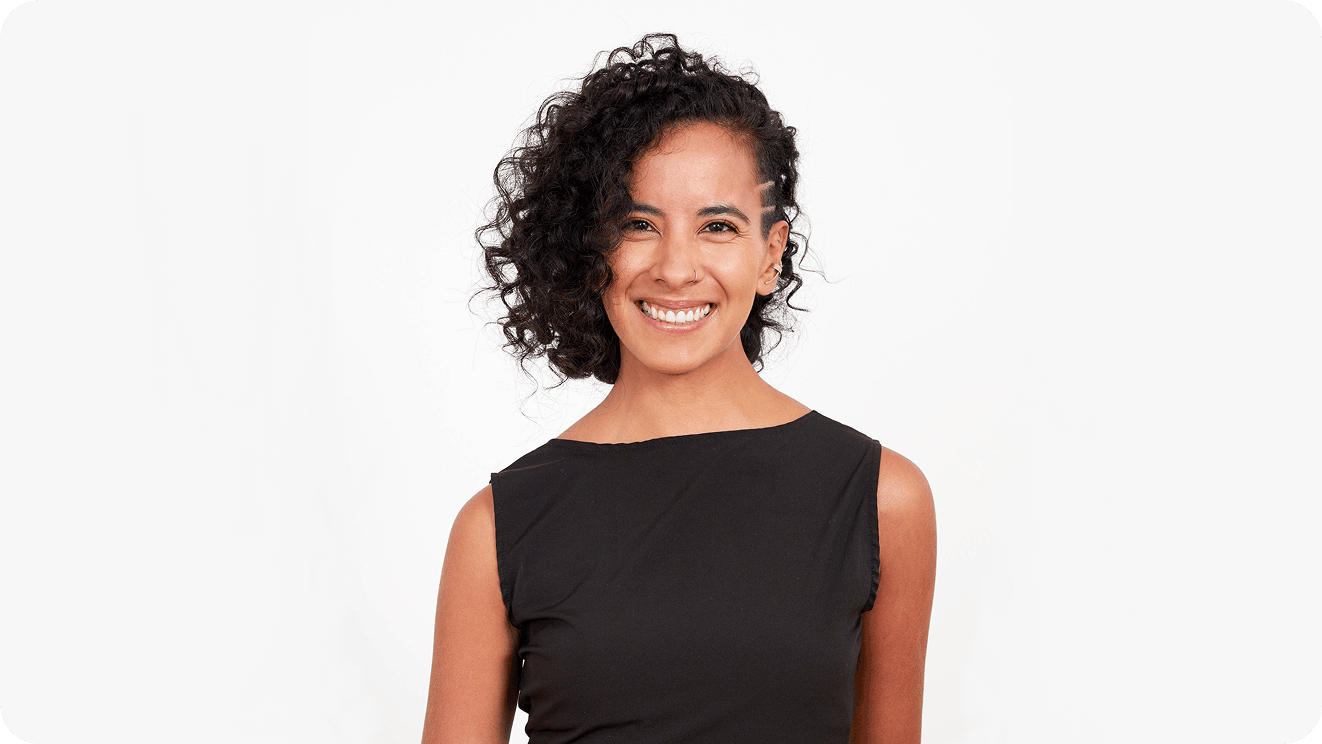
Behind the studio is its namesake, Founder and Creative Director Sabrina Polanco, whose background in psychology informs how she thinks about people and their connection to brands. Together with Brand Strategist and Copywriter Helen Heidel, she shares why trying to reach everyone can hold a brand back, where to find useful audience insights and how to keep your marketing recognizable without making everything look the same.
What does your agency do, and who do you do it best for?
Sabrina: We’re a creative studio that focuses on brand strategy and visual identity, mostly for wellness brands in the direct-to-consumer space. Some of our clients are first-time founders launching their first brand, so there’s a lot of excitement, but also a lot of nerves. It can feel overwhelming, especially when you’re doing it on your own. Because we’re a small team, we get to know the brand really well and become an extension of their team. Getting to be part of that journey is really rewarding.
We also work with more established brands that feel like their positioning is holding them back. Maybe it doesn’t quite fit anymore, or they’re struggling to get clear on where the business is going. We help them work through that and figure out what needs to change so they can keep growing.
What's one piece of advice you have for brands running email marketing?
Sabrina: Start with a specific goal before you create anything. What’s the purpose of this email or series, and how does it support what you’re trying to do as a brand? Sometimes I see emails that feel disconnected from all the strategy work that came before. Your brand strategy should be a toolkit you can keep coming back to. You might show up a little differently in email than you do on TikTok or your website, but people should still recognize you.
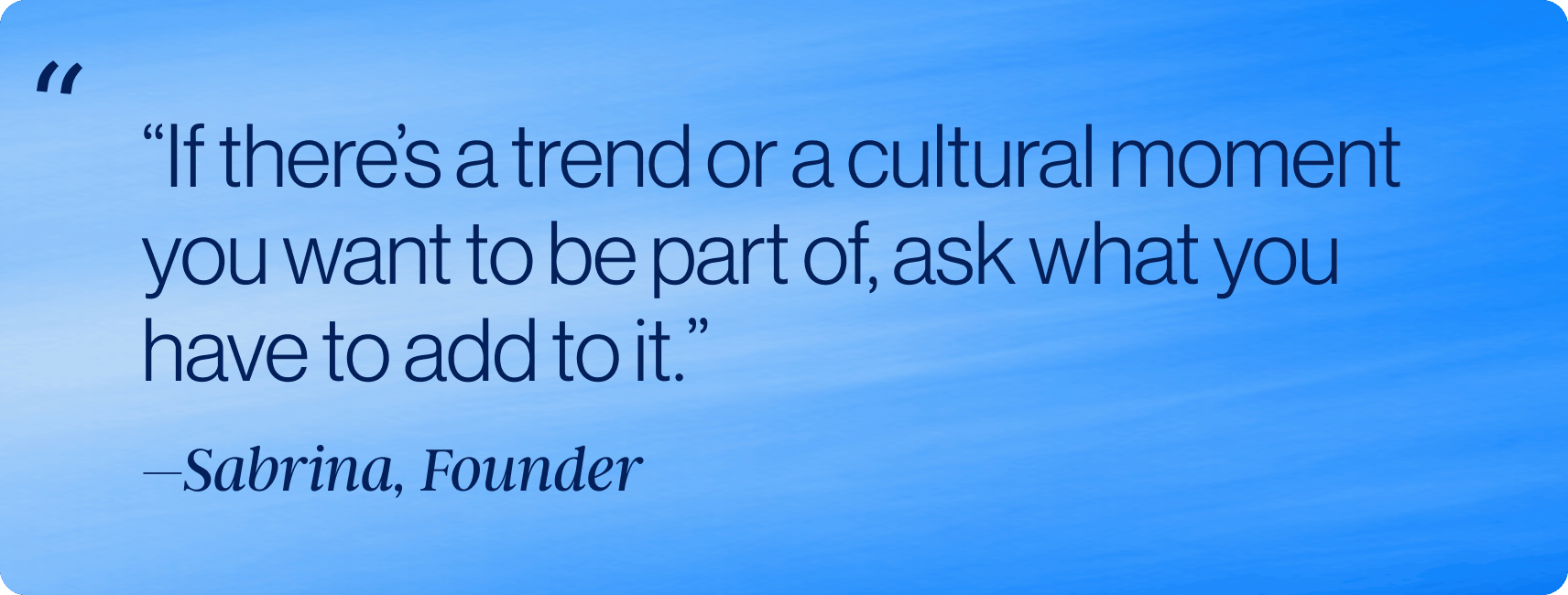
That doesn’t mean every email needs to look or sound exactly the same. You need room to change things up. I think it’s about being relevant and finding your own take on a conversation that makes sense for your brand. If there’s a trend or a cultural moment you want to be part of, ask what you have to add to it. That gives you somewhere to start beyond recreating a meme or an email you saw someone else do.
What's a mistake you see clients make over and over, even smart ones?
Sabrina: Instead of trying to connect with every single person, get to know your audience really well. Go beyond the numbers. Who are they? What do they like? What communities are they part of? When you understand those things, you can actually speak to them. That’s what helps you stand out, instead of ending up with a watered-down version of the brand you were so excited to build.
A lot of founders start with a really strong, exciting vision for what they want to build. But as they get closer to launch, the nerves kick in, and suddenly it’s, “We need to make sure we’re talking to everyone.” I get it. You’re building a business, and you want to reach as many people as possible. But that’s usually when I encourage them to go back to the strategy and use it as their foundation.
What's the first step to understanding your audience?
Helen: I do a lot of scouring. Facebook groups, Reddit threads, even niche WhatsApp groups. There’s a lot of advertising on Reddit now, so you do have to sort through that. I’ll also spend time reading comments and looking at people’s profiles to get a better sense of who they are. It takes a lot of digging, but once you understand who you’re talking to, you can start building your positioning, tone of voice and visual identity around that.
You can have more than one audience, too. I’d say no more than three core audiences is a good sweet spot. Beyond that, the messaging can start to get diluted.
What advice would you give an agency trying to find its footing and grow?
Sabrina: Share your work before it feels perfect. I’m a perfectionist, so I tend to wait until the entire case study is finished before showing anything. But I’m learning to document more along the way and show how we got to the solution. That process is part of what a potential client wants to see.
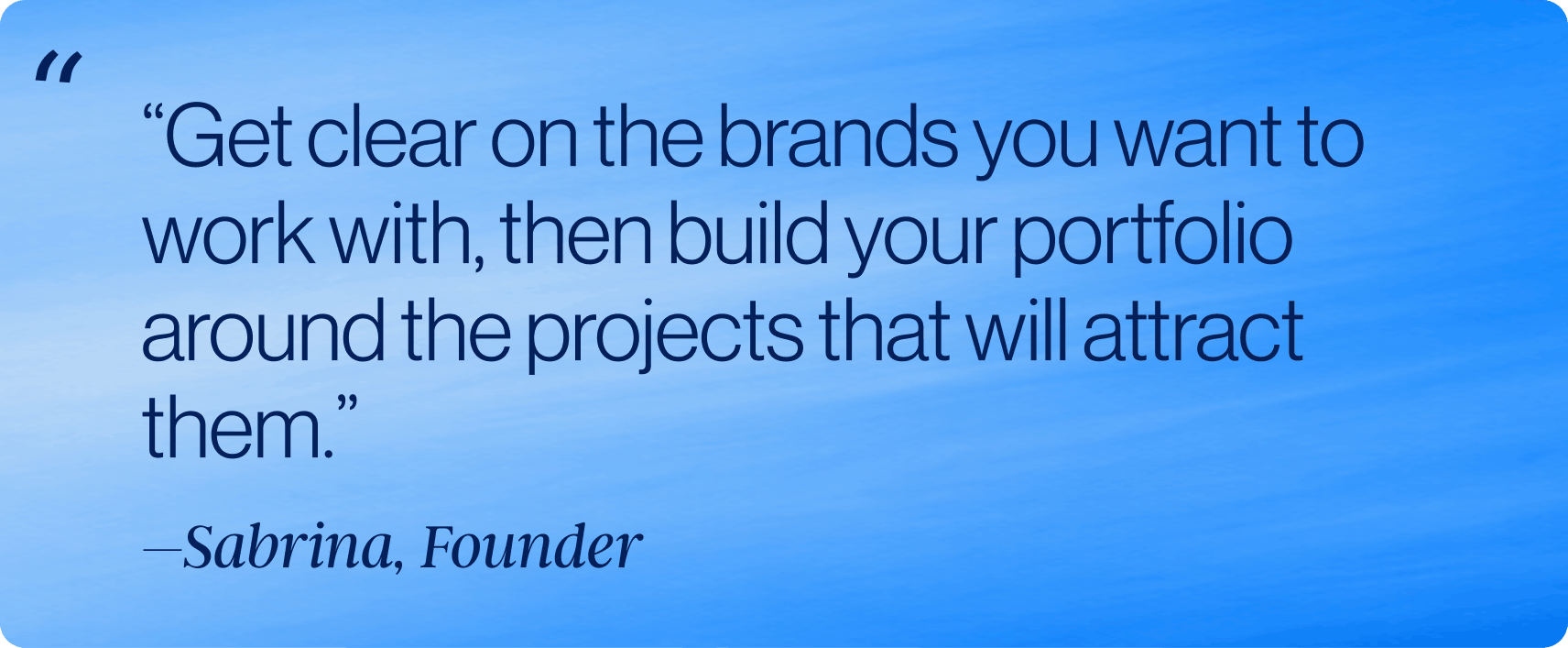
Be intentional about the work you share, too. Get clear on the brands you want to work with, then build your portfolio around the projects that will attract them. Sometimes that means saying no to work that doesn’t feel like a fit or help you get where you want to go.
What’s your favorite Breef project you’ve worked on?
Sabrina: One of my favorites is Mutternity, a dog rescue organization that focuses on helping mother dogs find homes. Everyone loves puppies, but the moms often get overlooked, and it can be really hard to find families for them. Getting to work on something that could make a difference for those dogs was really rewarding.