Why Nostalgia Resonates With Consumers

Brands are constantly looking for ways to build emotional connection and lasting familiarity with their audiences. From brands with heritage reviving past identities, to new brands creating “retro” experiences, nostalgic design is proving to strongly influence consumer behavior and purchasing decisions.

One of the most effective emotional levers in present-day marketing is nostalgia. While digital experiences in the 21st century are inherently polished, brands are simultaneously rediscovering the power of imperfection. This isn’t just aesthetics; it’s psychological. Nostalgic design taps into comfort and positive emotional memory, offering consumers a sense of familiarity in an otherwise fast-moving and crowded digital landscape.
According to insights from CivicScience, more than half of U.S. adults say they are likely to make a purchase of something that makes them feel nostalgic, emphasizing the strength emotional influence has on consumer behavior.
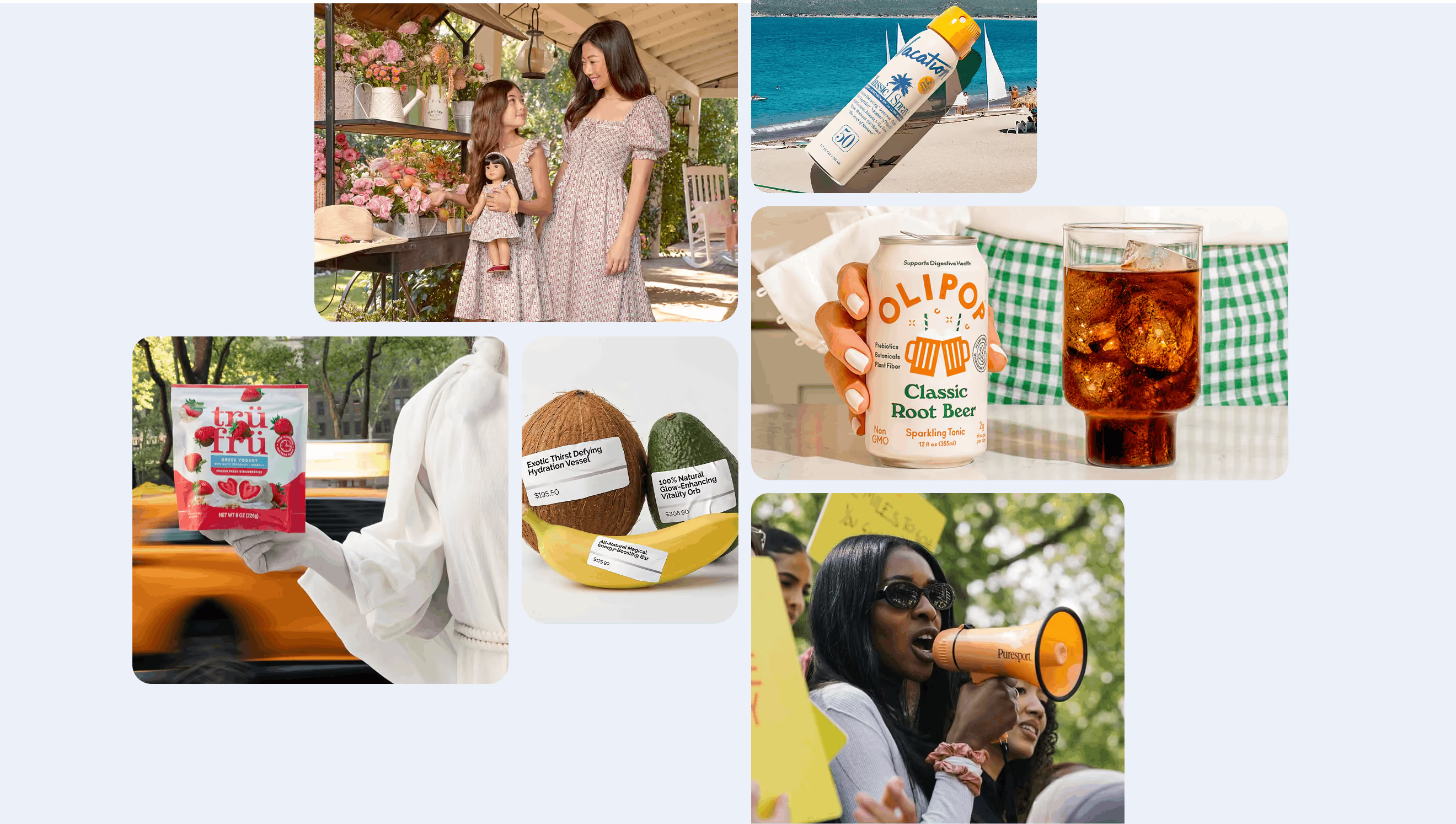
We’re seeing this play out across industries. Juicy Couture has successfully revived its early-2000s identity by reintroducing their iconic velour tracksuits. Newer companies like Olipop tap into familiar soda flavors and retro packaging. Similarly, Vacation has built its entire sunscreen brand around grainy photography to vintage typography that feels pulled from a 1980s travel ad. Even Officine Universelle Buly has found major success with Gen Z by turning a 19th-century apothecary into an old-world beauty brand, gaining TikTok buzz and lines outside its Paris stores.
But nostalgia isn’t limited to brands with history. The most effective references are human experiences: the concert tee you wore until it fell apart, the songs you sang by heart on long car rides, the games on the back of a cereal box. These moments feel personal, but they’re widely shared — making them powerful tools for connection.
For newer brands, nostalgia can be constructed by tapping into these universal experiences. For established brands, revisit what already exists — archived packaging, past campaigns or merch designs — and reintroduce it intentionally.
Nostalgia becomes both a bridge and an escape, connecting generations while offering a temporary reprieve from the present. The goal isn’t to replicate the past, but to reimagine it in a way that feels authentic to today’s cultural landscape — building emotional resonance and deeper brand loyalty.

Here are a few of the campaigns catching our eye right now.
🍓 trü frü | Nectar of the Gods
trü frü launched its new Greek yogurt line with a New York pop-up featuring actors dressed as Greek statues and a food truck handing out the treats. The concept leans into the product name in a literal, visual way — turning a simple sampling moment into something more memorable.
🔥 Away | ‘Fire’ Suitcases
After DJ John Summit posted a video destroying his Rimowa suitcase after it broke, Away moved quickly with a response: a video of its own aluminum suitcase being set on fire, captioned “Heard we were setting aluminum suitcases on fire.” It’s a visually striking example of a brand moving quickly and confidently stepping into an existing cultural moment.
🧺 Hill House Home | American Girl Collab
In huge news for Millennials, Hill House Home partnered with American Girl on a collection featuring iconic prints and matching dresses for women, girls and dolls alike. The collaboration taps into nostalgia while extending Hill House’s signature silhouettes across generations, making it as much about emotional connection as it is product — and the collection sold out instantly.
🏃🏻 Puresport | The Cheer Zone
Performance nutrition brand Puresport brought back its annual Cheer Zone for the London Marathon, supporting the participants from the first runner to the very last. It’s a great reminder that some of the strongest brand moments come from simply showing up for your community.
🛒 The Ordinary | Markup Marché
The Ordinary’s “Markup Marché” highlights the beauty industry’s inflated pricing by labeling everyday items with ridiculous claims and major markups (think a roll of toilet paper dubbed a “high-retention cleaning cylinder” for $96). The campaign builds on the brand’s positioning around transparency and affordability, translating it into a pop-up across cities like London and Paris, and seeding the concept through creator mailers.

📄 Where Do Brand Collabs Go From Here? (The New Garde): Breaks down Swan Beauty’s sponsorship of influencer Brigette Pheloung’s bachelorette party in St. Barths — and what it signals about the next phase of brand trips.
🎧 Inside Reddit’s Sales Pitch to Advertisers (The Drum): How Reddit is positioning itself to brands, with a focus on community, intent and what makes the platform different from more traditional social channels.
📄 Gen Z and Marketing’s Current Relationship Status – a False Religion (The Social Juice): How brands approach Gen Z, and why treating the generation as a monolith often leads to shallow or ineffective marketing.
🎧 A Tour Around the 64th Edition of Salone del Mobile (Monocle on Design): A walkthrough of this year’s Milan Design Week, highlighting the ideas, materials and design directions shaping the future of interiors.
Final Thoughts
Nostalgia isn’t about looking backward; it’s about making the past feel alive again in the present and giving consumers something instantly recognizable in an increasingly unfamiliar digital world. The brands that find success evoking nostalgia are the ones that don’t imitate the past, but translate memories into something new.
That wraps this issue of the debreef. Keep an eye on your inbox for the next edition. In the meantime, browse more on our blog: The Breefing Room