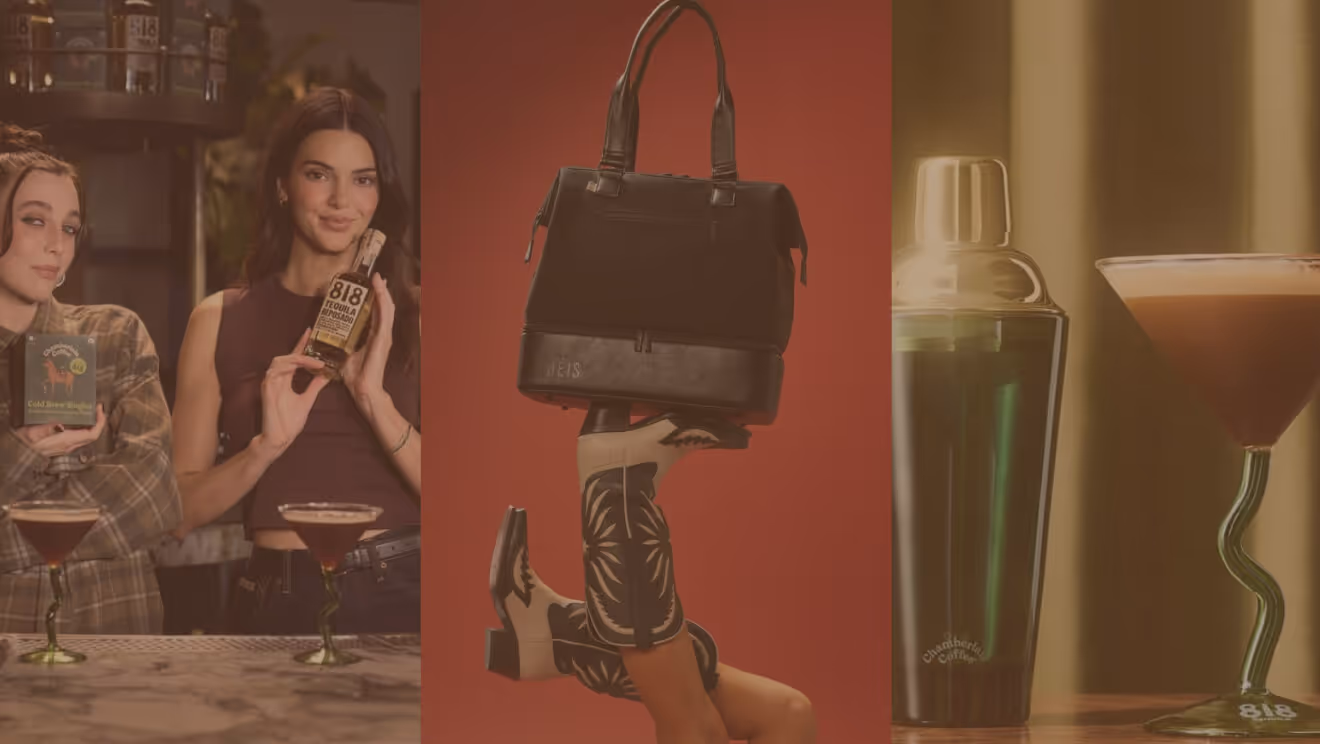
Why Some Collaborations Work (and Others Don't)

There’s no shortage of brand collaborations today. From limited-edition products to unexpected brand partnerships, companies are constantly looking for new ways to capture attention. But not every collaboration creates the same reaction.

There are three types of collaborations: the ones where two brands fit together seamlessly, the ones that make sense for a moment but you’re glad aren’t permanent and the ones that leave you wondering, “Who approved this concept?” The difference between all three? Strategy and delivery.
The Crumbl x Dove partnership is a perfect example of a collaboration that raised more than a few eyebrows. On paper, it made sense: both brands are built around indulgence and sensory experiences. But that was where the connection ended. Consumers weren’t just questioning the idea of smelling like a Tres Leches cookie after a shower — they were questioning why these products are still on shelves months after their December 2024 launch. The collaboration felt like a marketing team asking, “What can we put our logo on?” rather than, “What would our customers genuinely want?” Because “both product lines smell good” isn’t a strong enough reason to collaborate.
Then there’s the middle ground: the collaborations that make people say, “We understand why they did this… but we’re glad it’s not permanent.” Kraft x Van Leeuwen’s mac and cheese ice cream is a perfect example. The partnership worked because the absurdity was intentional — neither brand was trying to convince consumers it was a product extension. Instead, the goal was to create curiosity, spark conversation and earn a PR moment.
But the winning collaborations are the ones that make people say, “This is genius!” They work because the partnership feels intentional — like two brands found a natural way to strengthen each other. Stanley x Starbucks is a perfect example. The brands amplified an existing behavior: Starbucks owns the ritual of coffee, while Stanley owns the ritual of carrying a drink everywhere.
While we live in a world where negative press can sometimes feel better than no press, brands can’t be blamed for trying to create unexpected moments — but they should know when the moment has run its course. A surprising partnership can become a PR win or even turn into a long-term brand asset, but only when there’s a clear reason for it to exist. Collaborations that strengthen brands don’t leave people asking, “Why did they do that?” They make people say, "This makes so much sense.”

💼 UPDATE | The Future of Energy
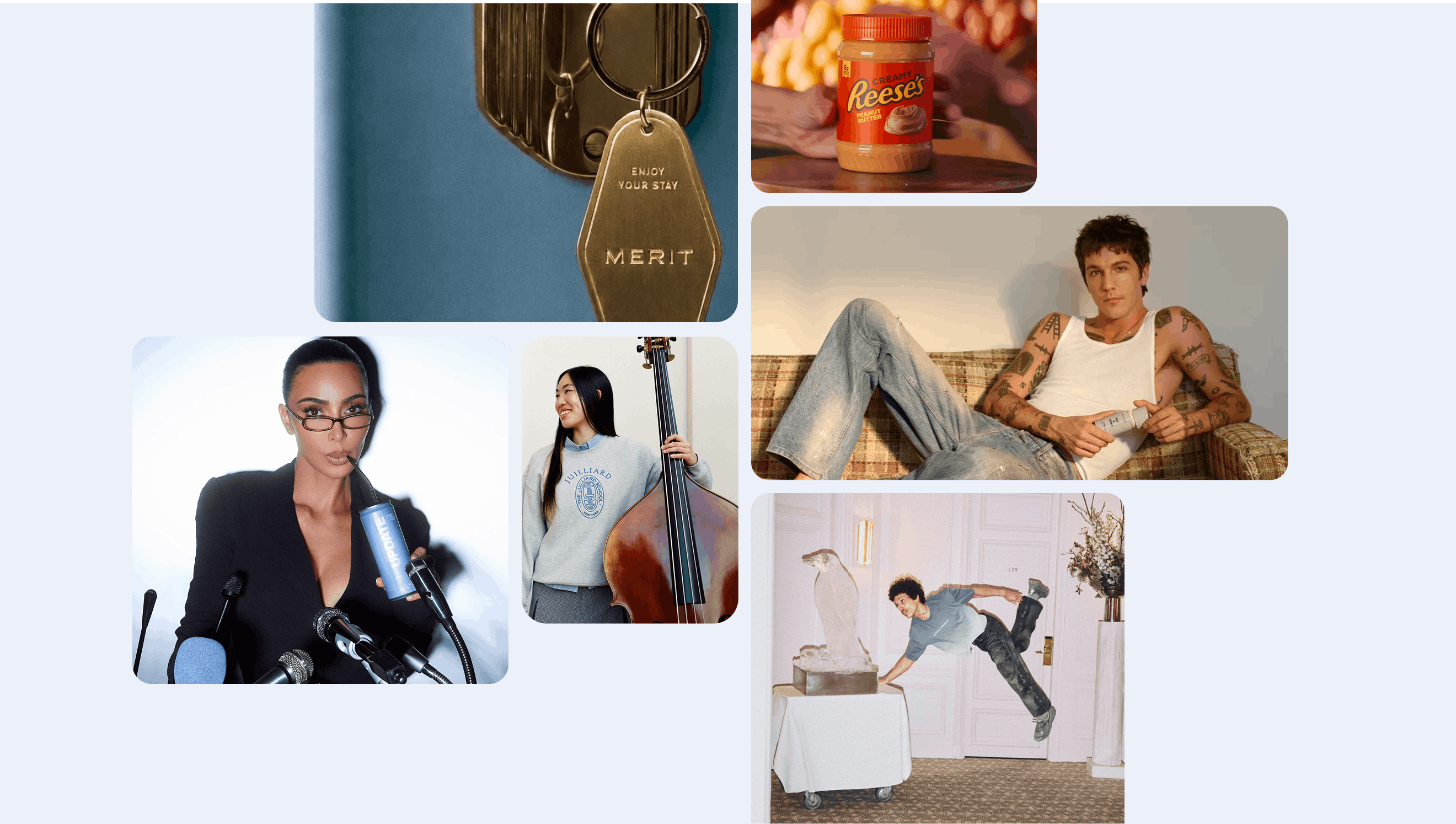
Kim Kardashian launched her energy drink brand UPDATE with a press conference-style spot built around self-deprecating humor, addressing the questions she's always asked in a way that manages to be genuinely funny. "Caffeine just wasn't working, and working is my thing," and for the record, she didn't pass the bar; she raised it.
🎹 Aritzia | Aritzia + The Juilliard School
For its back-to-school campaign, Aritzia partnered with The Juilliard School, featuring current students — including a pianist, ballerina, opera singer, violinist — modeling the collection while pursuing their craft. At a moment when AI (and AI backlash) is flooding feeds, centering a campaign around real, disciplined artistry is a deliberate and well-timed choice.
🌀 Under Armour | Rest Less
Under Armour's latest Sportswear campaign follows athletes Ferran Torres, Fermín López, and Ollie Watkins checking into Hotel Armouré only to turn the place upside down, hitting golf balls off balconies and converting the pool into a giant ice bath while a frantic hotel manager tries to keep up. The concept sells the idea that for athletes, rest is never really rest, and it does it in a way that's genuinely fun to watch.
🪨 Salt and Stone | Reliable, So You Don’t Have to Be starring Role Model
Salt & Stone partnered with singer-songwriter Role Model on a campaign ahead of his new album, and the casting is funnier than it sounds, given that he has a reputation among fans for smelling at his concerts. Partnering with a body care brand to front a deodorant campaign works because everyone's already in on the joke.
🗝️ MERIT | MERIT for Ritz Carlton
MERIT partnered with The Ritz-Carlton to bring its minimalist beauty edit directly to hotel guests across seven cities, delivered to rooms via room service in a co-branded bag, with beauty carts in Club Lounges and a fragrance sample arriving alongside the Minimalist Martini. For those not checking in, MERIT offered a co-branded keychain with orders over $75 on its own site — a great way to extend the collaboration to their existing customer base without requiring a hotel stay.
👭 Reese’s Oreo | Two Fated Icons
Reese's released a nostalgia-packed spot starring Lindsay Lohan as a therapist at the "Reese's Twin Retreat", a direct nod to The Parent Trap, helping twins work through their differences. The writing is genuinely funny, with Amy Sedaris playing sisters whose only common ground turns out to be Reese's Oreos.

📄 Hinge's Jackie Jantos on Inclusive Design, Trust and the Path from Creative to CEO (It's Nice That): Hinge CEO Jackie Jantos on how a background in creative and marketing shapes the way she leads, from the "designed with, not for" philosophy that drives product development, to why the best ideas tend to come from making sure the right people are in the room from the start.
📄 Is Target the New Whole Foods? (Express Checkout): Express Checkout got inside access to Target HQ to understand what's actually happening with the retailer's grocery push, and the numbers are hard to ignore. Food is now a $24B business for Target, and the bet is turning it from a basket-builder into the reason people walk through the door in the first place.
🎧 Commerce Media: The Death of the Traditional Funnel? (The Drum): Marketers from Connective3, Epsilon and Jaywing on how commerce media is upending long-held assumptions about how consumers actually make purchase decisions, covering everything from the rise of social commerce and the limits of attribution to why incrementality is the metric that matters most right now.
📄 The Next Era of Glossier's Creator Community (Following Up!): Georgia Weeks, Glossier's influencer manager, on how the brand is rebuilding its creator relationships after moving away from the ambassador model that helped define community-led marketing, and what a more intentional, relationship-first approach looks like in practice.