KPIs for Startups: What Should You Be Tracking?


When you’re running a startup, every decision matters (and gut instincts only go so far). That’s where KPIs come in. They’re not just numbers on a dashboard; they’re the signals that tell you if your business is moving in the right direction, stalling, or sprinting toward success.
Whether you’re pitching to investors, launching a product, or optimizing your growth strategy, tracking the right KPIs gives you clarity, confidence, and control.
What Are Key Performance Indicators?
KPIs are measurable values that indicate how well your startup is performing against key business objectives. Think of them as the checkpoints in your race toward growth. They give your team focus, reveal strengths and weaknesses, and help you adjust your strategy based on what’s actually happening, not just what you hope is happening.
Some KPIs are broad and universal (like revenue or traffic), while others are highly specific to your business model, industry, or growth stage. The key is choosing the metrics that matter most to your goals, not only the ones that look good in a slide deck.
The Importance of Tracking KPIs for Startups
Startups are built on speed. Without direction though, that speed turns into wasted motion. KPIs keep your team aligned and focused. They help you set priorities, clarify objectives, and measure what really matters so you’re making progress.
Tracking KPIs also gives you a clear view of what’s working (and what’s not). You can identify problems early, spot winning strategies, and adjust in real time. It’s like having a GPS for your business: you might still hit traffic, but you won’t get completely lost.
KPIs also make your story stronger, especially for investors. They want proof of traction and potential, not just a good pitch. When you can point to real data, you’re showing that you have vision and that you know how to execute.
And finally, KPIs take the guesswork out of decision-making. Instead of relying on gut instinct or chasing trends, you can use real insights to build, test, and optimize smarter. It’s growth with a brain.
8 Important KPIs for Startups to Track
1. Customer Acquisition Cost (CAC)
How much are you spending to win a new customer? CAC includes everything from paid ads to agency retainers to sales team salaries. It’s one of the most important performance indicators for understanding the efficiency of your growth strategy.
Why it matters: If your CAC is too high relative to your revenue or LTV, you’re likely burning more than you’re earning. And that’s not sustainable.
2. Customer Lifetime Value (CLTV or LTV)
This is the total amount of money a customer is expected to spend with your brand over the course of their relationship. Think repeat purchases, upsells, and subscription renewals.
Why it matters: LTV tells you how much value you’re creating. When your LTV exceeds your CAC (ideally by 3x), you’ve got a solid business model.
3. Conversion Rate
Out of all the people visiting your site or landing page, how many actually take the action you want (like signing up, downloading, or buying)?
Why it matters: A strong conversion rate means your messaging, UX, and offer are clicking with your audience. A weak one? Time to A/B test!
4. Monthly Recurring Revenue (MRR)
For subscription-based startups, MRR shows how much predictable income you’re generating each month. It’s your financial heartbeat.
Why it matters: It’s a top-line growth indicator and a major metric for VCs. Growing MRR = traction. Flat or declining MRR = red flags.
5. Burn Rate
How fast is your startup spending cash? Burn rate gives you a month-by-month breakdown of expenses and is especially critical when you're pre-revenue.
Why it matters: If your burn rate is outpacing your runway, it’s time to reassess your spend or prepare for fundraising sooner than expected.
6. Website Traffic and Engagement
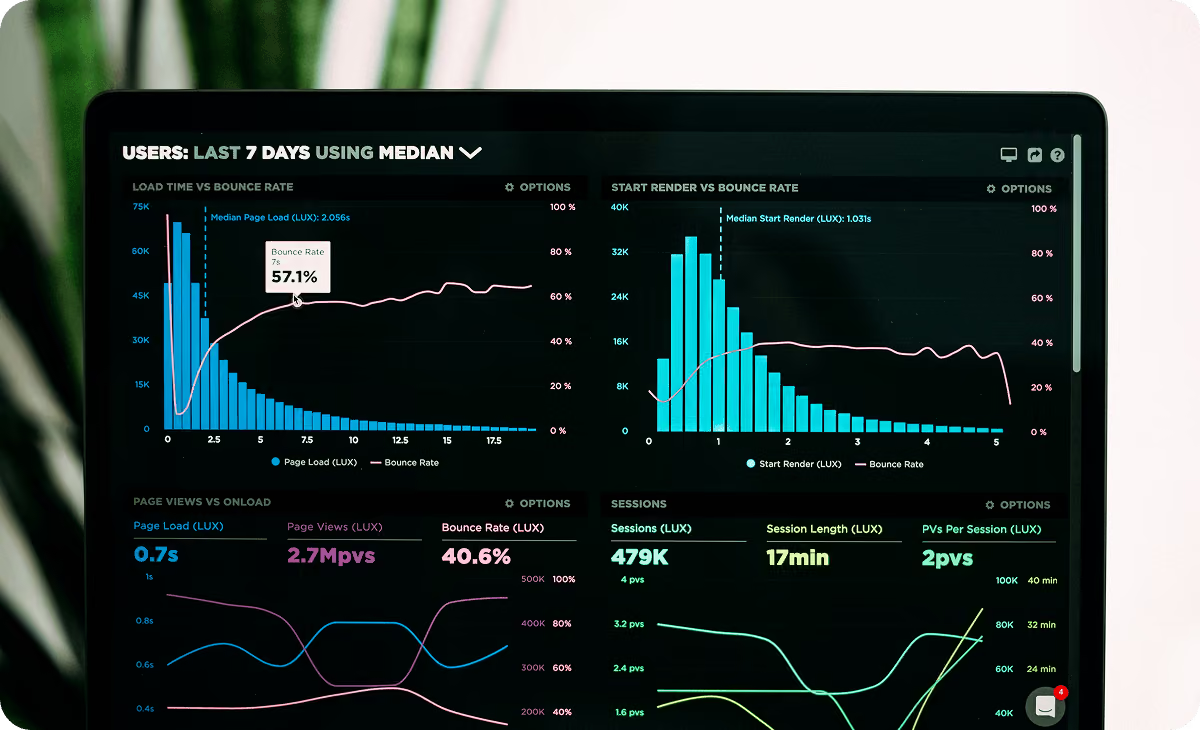
This includes total visitors, bounce rate, session duration, and other indicators of how people interact with your site. It’s your brand’s digital foot traffic.
Why it matters: Growth starts with awareness. If traffic is low or bounces are high, you may need to rethink content, targeting, or UX.
7. Churn Rate
How many customers cancel or stop using your product over a specific time period? It’s especially relevant for SaaS and subscription models.
Why it matters: High churn = unhappy or underserved customers. Reducing churn can be more cost-effective than acquiring new users.
8. Return on Ad Spend (ROAS)
This measures how much revenue you’re generating from every dollar spent on advertising. It’s the “bang for your buck” metric.
Why it matters: A strong ROAS means your paid strategy is profitable. If it’s weak, revisit your targeting, creative, or funnel structure.
Make Tracking KPIs for Startups Easier with Breef
You don’t have to go it alone when building a data-backed marketing strategy. The right agency can help you define, track, and optimize KPIs across every campaign and channel from paid media to content (and everything in between).
On Breef, startups connect with top-tier marketing agencies that understand growth-stage challenges and deliver results that move the needle. Whether you’re chasing higher ROAS or building your brand from the ground up, there’s an agency for that.
Want smart strategy and measurable results? You’re in the right place.
Get started by booking a call with a Breef Strategist. 🚀