From Celebrities to AI: What Stood Out in This Year’s Super Bowl Ads

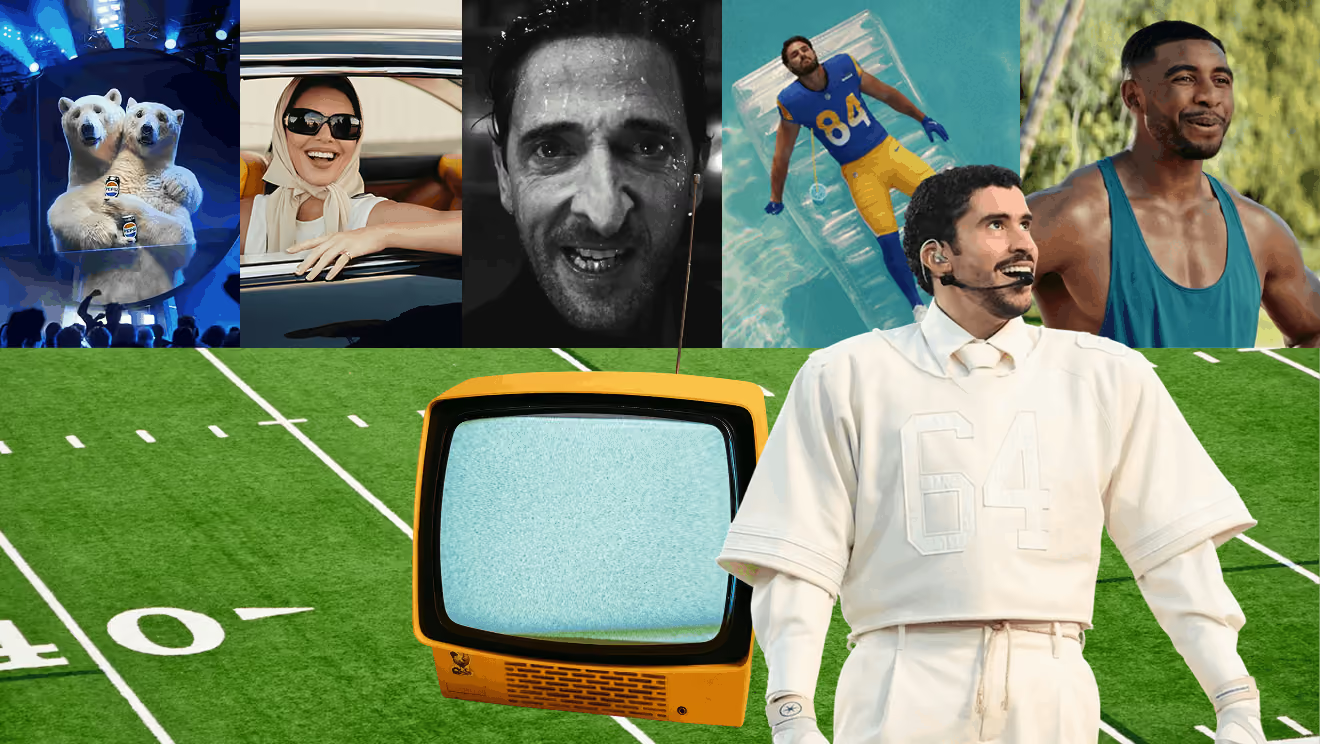
This year’s Super Bowl ads offered more than big budgets and big names. They revealed how familiar marketing tactics are evolving, and where brands may need to rethink their approach.
Celebrity Fatigue is Real — and A-Listers Aren't the Golden Ticket Anymore
What was once an exciting partnership has become a safety net. Brands are packing ads with multiple celebrities to hedge their bets on reach. The problem? More names don't always mean better results.
Take the State Farm ad: Hailee Steinfeld, Danny McBride, Keegan-Michael Key and Katseye all in one spot. It's not worlds colliding — it's overcrowding. Dunkin’ fell into the same trap.
Compare that to Kendall Jenner's Fanatics Sportsbook ad, which turned the "Kardashian Curse" into a clever, self-aware betting strategy. One feels purposeful while the other two feel like casting insurance.
Celebrity partnerships work when there's a real connection to the brand. When it's just big names for the sake of big names, audiences see right through it.
Interestingly, some of the most memorable ads this year had no celebrities at all. Brands like Liquid I.V. even made it part of their strategy, intentionally keeping celebrities far away from their ads.
AI is Everywhere, and the Pitch is Getting Worse?
Every year has a "next big thing" theme. This year, it was AI. Tech brands like Alexa+, ChatGPT and SalesForce tapped in, while brands in completely unrelated categories tried to force themselves into the conversation too (we’re looking at you, Svedka).
The intention was clear: AI isn't scary, it's helpful, it's human.
The issue? Most of these scenarios felt forced. Alexa+ scheduling a massage for Chris Hemsworth and SalesForce somehow getting Mr. Beast involved in a CRM AI agent doesn’t feel relatable, or even understandable.
AI has real utility as a tool to support execution and efficiency. But creating unrealistic scenarios to convince people they need it isn't connecting. Marketing works when people see themselves in it — and right now, these campaigns are missing the mark.
Nostalgia is Dominating Because the Present Feels Uncertain
Dunkin's '90s sitcom throwback. Jurassic Park references. Cowboy aesthetics. The theme was clear: brands would rather take you back to a different time than talk about right now.
Nostalgia works when it evokes genuine emotion and connects to the product. But when it's used as a blanket play for mass approval, it falls flat. And the heavy use of de-aging technology? It pulls you out of the nostalgic moment entirely, reminding you that technology has taken over everything. This is the opposite of what nostalgia is supposed to feel like.
There's a way to tap into the past without trying to recreate it.

A Shift is Happening
Marketing is moving away from traditional success markers: celebrity endorsements, shiny new tech, safe ‘throwback’ plays. The brands that do well will be the ones that tell real stories, build genuine connections and respect their audience's ability to either dive in, or see right through it.